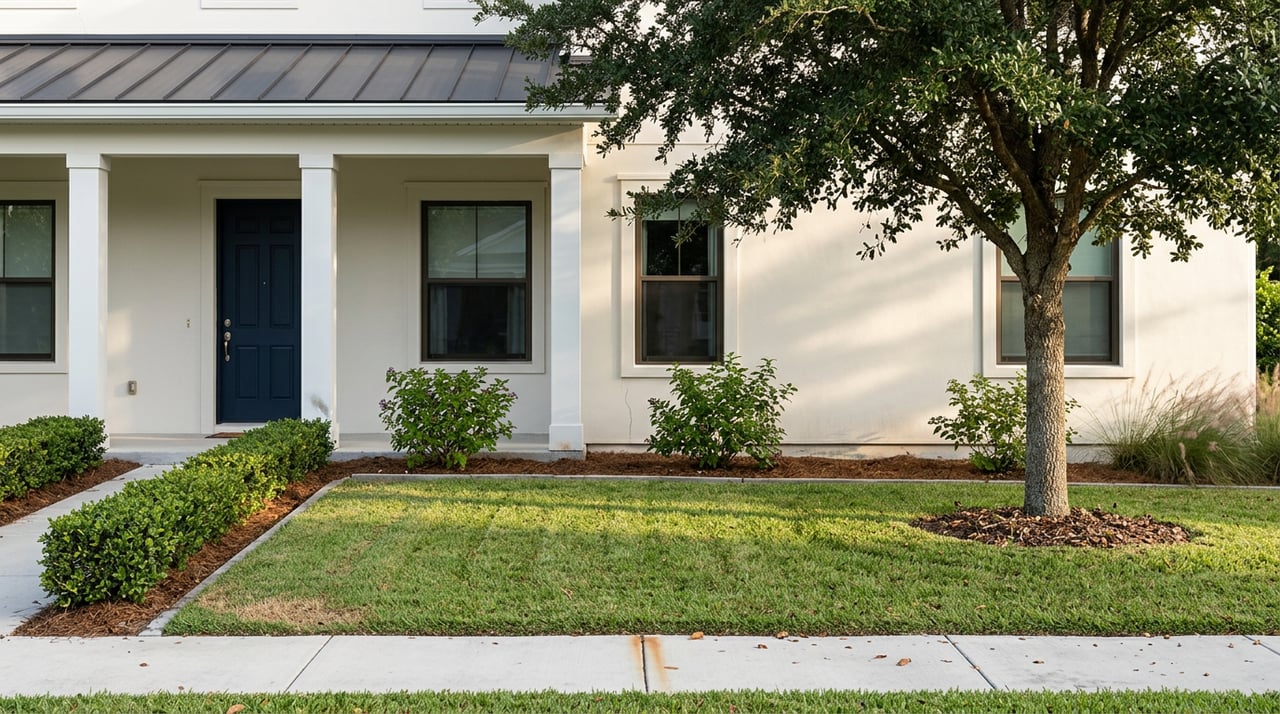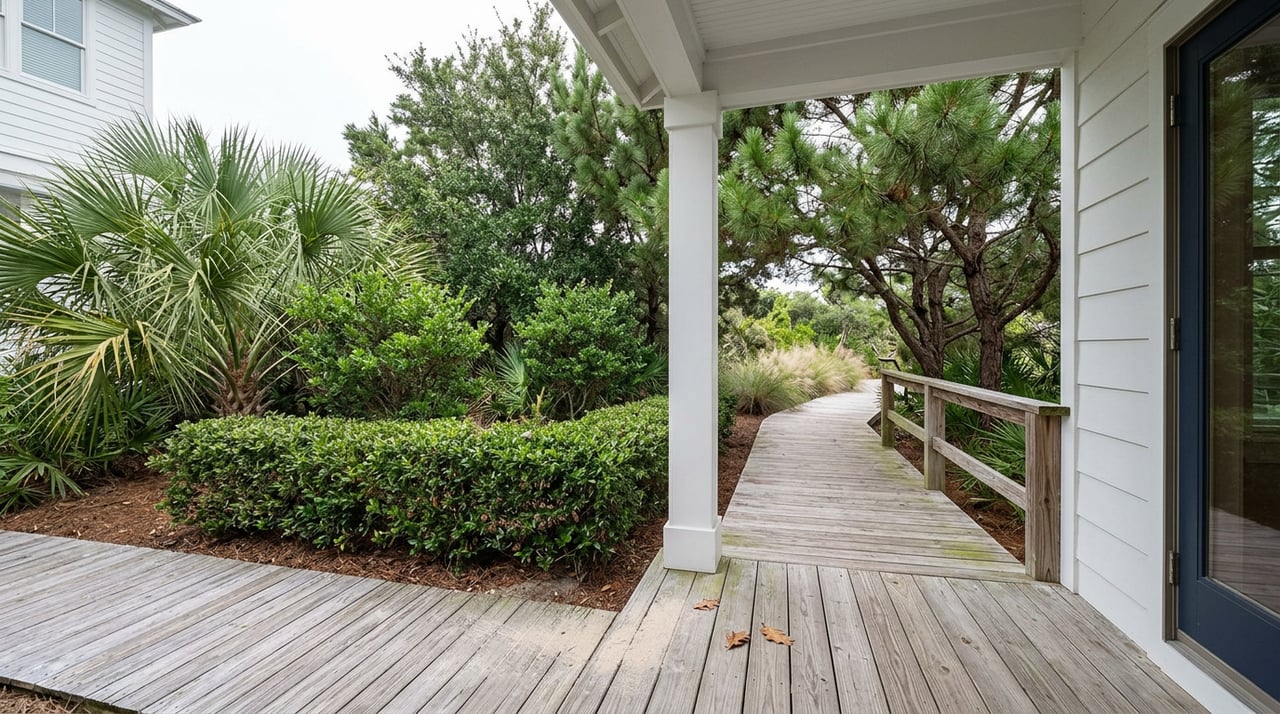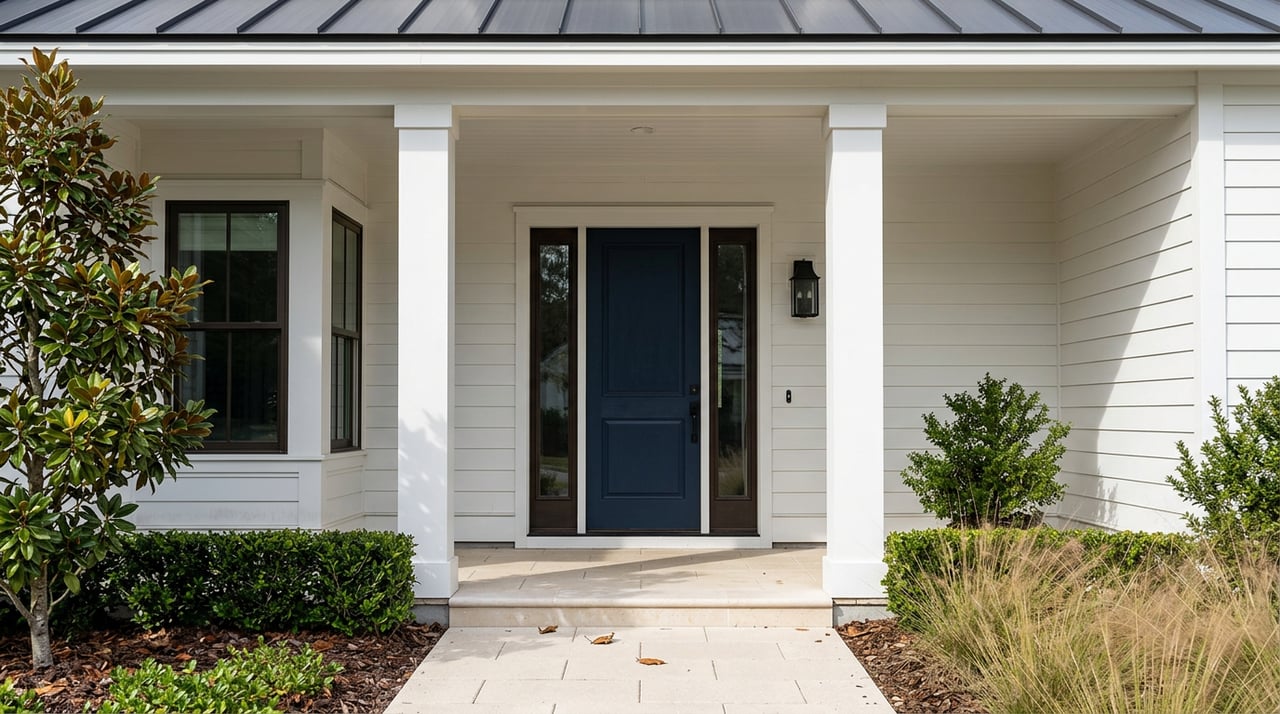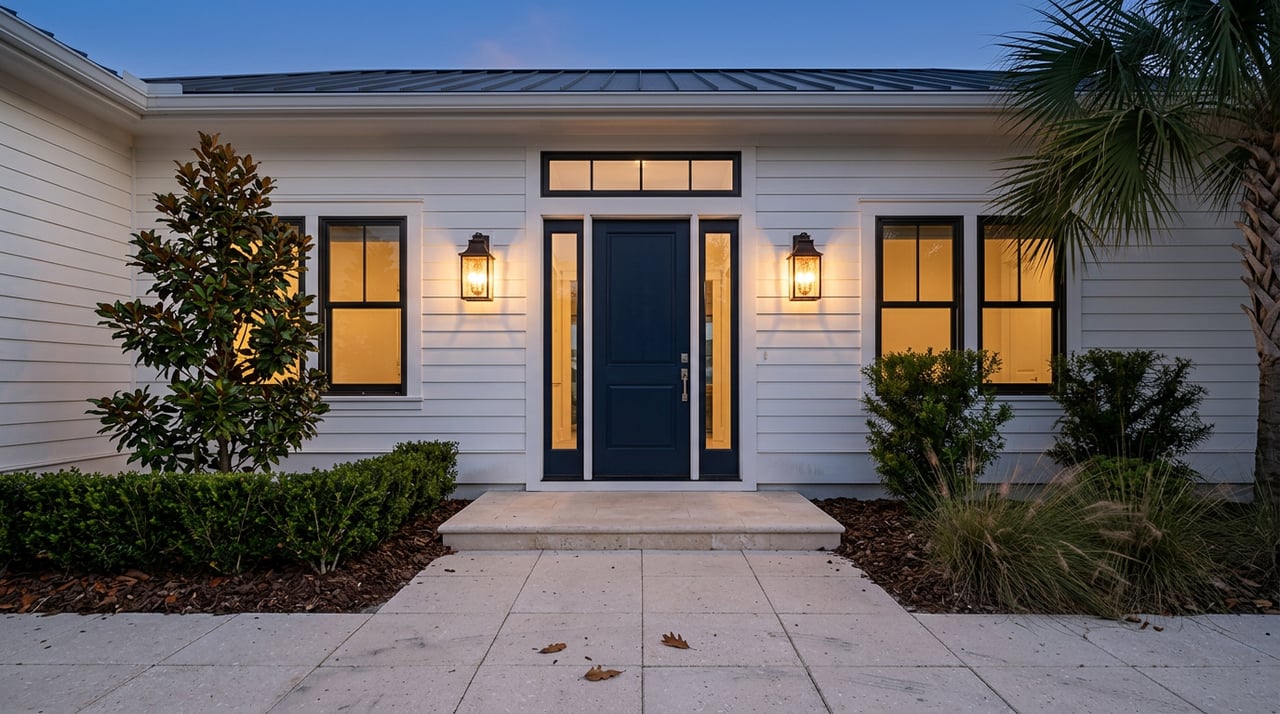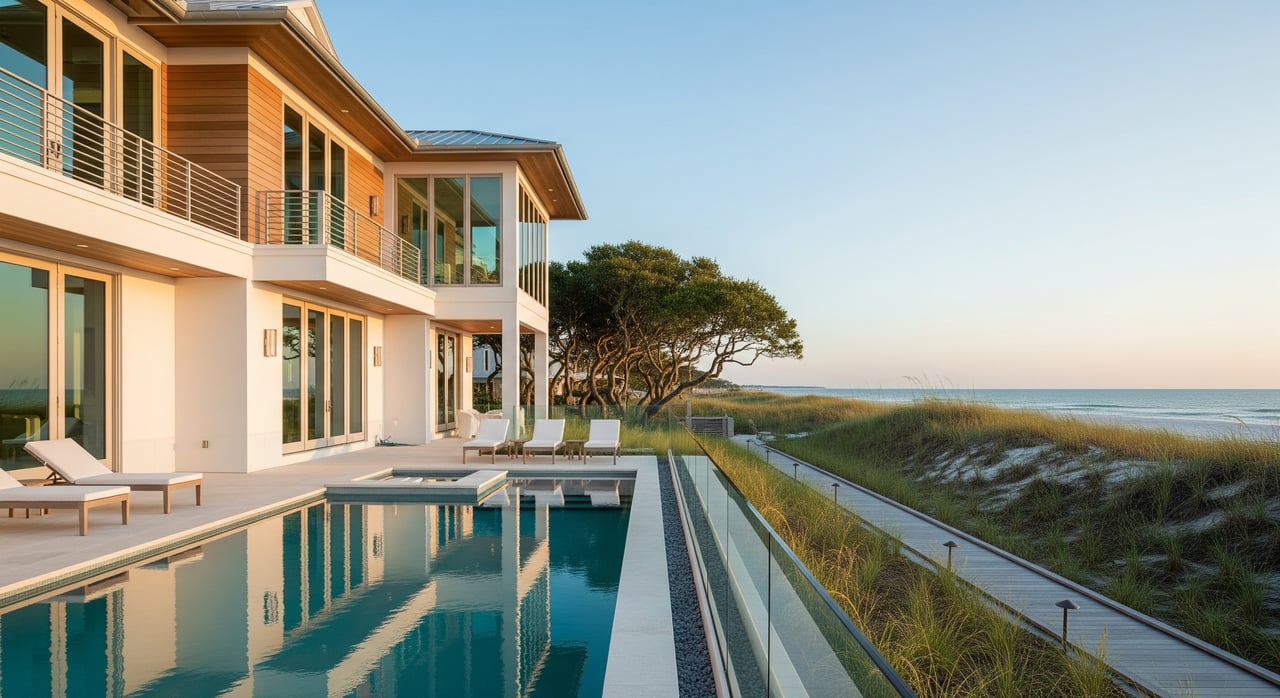
Building in WaterSound Origins should feel exciting, not overwhelming. You want a home that looks at home in the community, lives well for coastal life, and holds up to Florida’s weather. In this guide, you’ll learn the top new construction trends shaping WaterSound Origins, how they affect lot choice and plan selection, and what to ask before you sign. Let’s dive in.
Market context in WaterSound Origins
WaterSound Origins is a planned coastal community in Walton County near Panama City Beach. Neighborhood design guidelines and an architectural review process typically guide exterior materials, rooflines, colors, and landscaping. That framework helps protect curb appeal and resale.
Buyer demand here is driven by retirees, second‑home owners, and remote workers. You’ll see interest in single‑level living, flexible rooms, low‑maintenance finishes, and strong hurricane resilience. Builders follow the Florida Building Code and local Walton County rules, and coastal flood risks make elevation, flood insurance, and FEMA maps important during lot selection.
Single‑level living
What it looks like
- Primary suite, kitchen, living, dining, and laundry on the main level.
- Open layouts with wide sight lines and easy circulation.
- If two stories, the owner’s suite and daily living still sit on the first floor.
Why buyers want it
- Convenience now and adaptability later. Features like wider doorways and zero‑threshold showers are easier to include from the start.
- Retirees and long‑term second‑home owners value fewer stairs and lower maintenance.
Lot and cost implications
- One‑story homes need a larger footprint for the same square footage, so lot width and depth matter.
- A raised foundation vs a slab can change entry steps and accessibility.
Buyer checklist
- Confirm the community allows your preferred roofline and one‑story massing.
- Ask how the foundation type will affect thresholds and step counts at entries.
- Evaluate lot size to support a single‑story plan without squeezing outdoor space.
Bunk and flex rooms
What it looks like
- Rooms that work as a bunk space, guest suite, office, media room, or hobby area.
- Built‑in bunks or murphy beds, plus storage for linens and gear.
- Near a full or half bath for practical use.
Why buyers want it
- Flexibility for visiting family, work‑from‑home needs, or multi‑generational stays.
- Extra sleeping capacity without adding a formal bedroom.
Design and code notes
- Check natural light, ceiling height, and egress if you may use the space as a bedroom.
- Consider adding plumbing or a mini HVAC zone to make the room more useful year‑round.
- If you plan to rent, confirm HOA and rental rules before you design.
Indoor‑outdoor flow
What it looks like
- Large sliding or folding doors with hurricane ratings.
- Screened porches and covered lanais with ceiling fans.
- Outdoor kitchens and continuous flooring transitions that blur inside and out.
Why buyers want it
- Coastal living encourages hosting outdoors with shade, airflow, and insect protection.
- Seamless connections expand how the home lives and add resale appeal.
Build details to confirm
- Impact‑rated glazing and engineered structure around large openings.
- Water management, flashing, and drainage at thresholds during heavy rain.
- Maintenance expectations for outdoor finishes and hardware in salty air.
Orientation tips
- Choose a lot that supports morning or evening shade where you want to relax most.
- Note prevailing breezes to place porches and gathering areas comfortably.
Finishes that fit guidelines
Coastal, durable, low‑maintenance
- Exteriors: fiber‑cement siding, stucco accents, and metal or architectural shingle roofs with coastal‑appropriate detailing.
- Interiors: light, neutral palettes; wide‑plank engineered wood or porcelain tile; quartz or solid surface counters; moisture‑resistant cabinetry; corrosion‑resistant stainless appliances.
- Hardware and fixtures: matte finishes often resist salt spotting better than polished surfaces.
Community approvals
- Expect rules for roof pitch, trim, shutters, approved colors, and landscape species.
- Some upgrades may require extra review, so verify what is permitted before selections.
Buyer checklist
- Choose materials with strong coastal warranties and corrosion‑resistant fasteners.
- Confirm which exterior finishes and colors are pre‑approved vs. approval‑only.
Resilience and code essentials
What matters most
- Florida Building Code governs wind loads, structure, and energy performance on the coast.
- FEMA flood maps and NFIP guidelines influence foundation type and finished floor elevation, which affects insurance.
- Energy features like efficient HVAC, upgraded insulation, LED lighting, and programmable thermostats help comfort and operating costs.
Buyer takeaways
- Ask for window and door ratings, energy specs, and documented FBC compliance.
- Request finished floor elevation details and an elevation certificate when available to plan insurance.
- Verify lot grading and drainage plans to protect the home and landscaping.
Choose the right lot
Practical checklist
- Elevation and flood zone: understand the flood designation and base flood elevation. Higher finished floors may reduce insurance costs.
- Orientation: sun and breeze patterns affect porch comfort and cooling loads.
- Size and shape: single‑story plans need more footprint; narrow lots influence garage and room placement.
- Setbacks and easements: review the plat for limits on pools and outdoor living.
- Trees and vegetation: preserved trees add character but can limit the build envelope.
- Proximity: consider privacy, amenity access, and noise when you compare lots.
Your semi‑custom path
Typical steps
- Select a lot that suits your plan.
- Choose a base plan with the builder.
- Modify within structural and architectural rules.
- Make finish selections and targeted upgrades.
Key decisions and constraints
- Clarify which structural changes are allowed vs. cosmetic upgrades.
- Understand the foundation type your lot requires.
- Note ARC timelines for exterior changes or colors.
- Review standard vs. upgraded mechanical systems and service expectations.
Timelines, costs, and protections
- Plan approval and permitting can take weeks to months. Construction often runs 6 to 12 months depending on complexity and market conditions.
- Expect lot premiums for views or corners, plus itemized upgrade costs and allowances.
- Ask for a clear change order process, defined allowances, and detailed warranties for structure, systems, and finishes.
Questions for your builder
- Provide standard specifications and a detailed upgrade sheet.
- Show evidence of FBC compliance and impact‑rated windows and doors in the package.
- Estimate completion timeline and allowances for site work like elevation and grading.
- Share recent comparable builds and references in the community.
Let’s plan your WaterSound Origins home
Your best build starts with a clear plan, a lot that fits your lifestyle, and finishes that satisfy both the community and the coast. A hands‑on, design‑build team can align your vision, budget, and timeline while managing ARC approvals and code details. If you want a home that feels effortless and coastal‑ready from day one, let’s talk about your goals and walk available lots together.
Ready to start a conversation about your WaterSound Origins build? Work with Boswell Builders to align your design, selections, and schedule.
FAQs
What matters most when choosing a WaterSound Origins lot?
- Prioritize elevation and flood zone first, then weigh orientation, size, setbacks, trees, and proximity to amenities.
How important are impact‑rated windows and doors on the coast?
- They are critical for windborne debris protection, may influence insurance, and make large indoor‑outdoor openings viable.
Are single‑story homes more expensive per square foot?
- Often yes, because they require more foundation and roof area for the same interior space, though many buyers prefer the livability.
Can a bunk or bonus room become a legal bedroom later?
- Frequently, if ceiling height, egress, and HVAC capacity meet code; plan these elements now to simplify future use.
Which interior finishes hold up best to coastal living?
- Porcelain tile or engineered wood, quartz counters, moisture‑resistant cabinetry, and corrosion‑resistant hardware and appliances.
What timeline should I expect for a semi‑custom build?
- Plan on weeks to months for approvals and 6 to 12 months for construction, depending on complexity and market conditions.