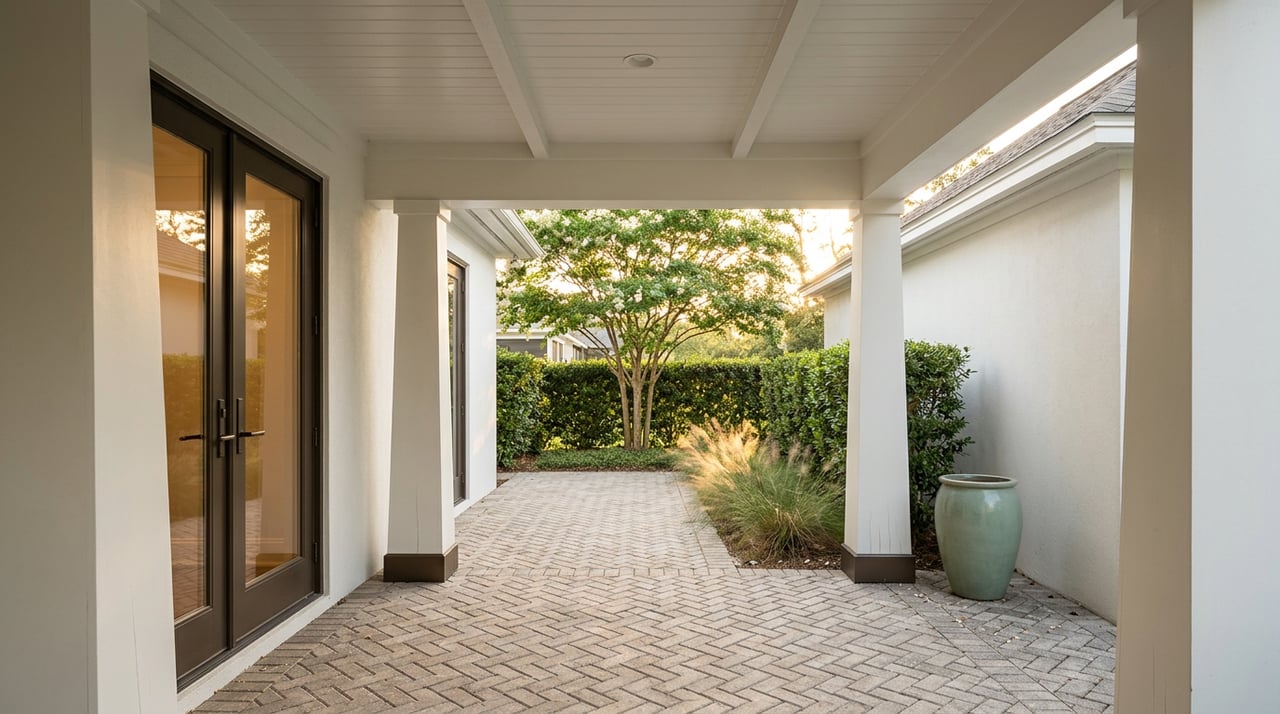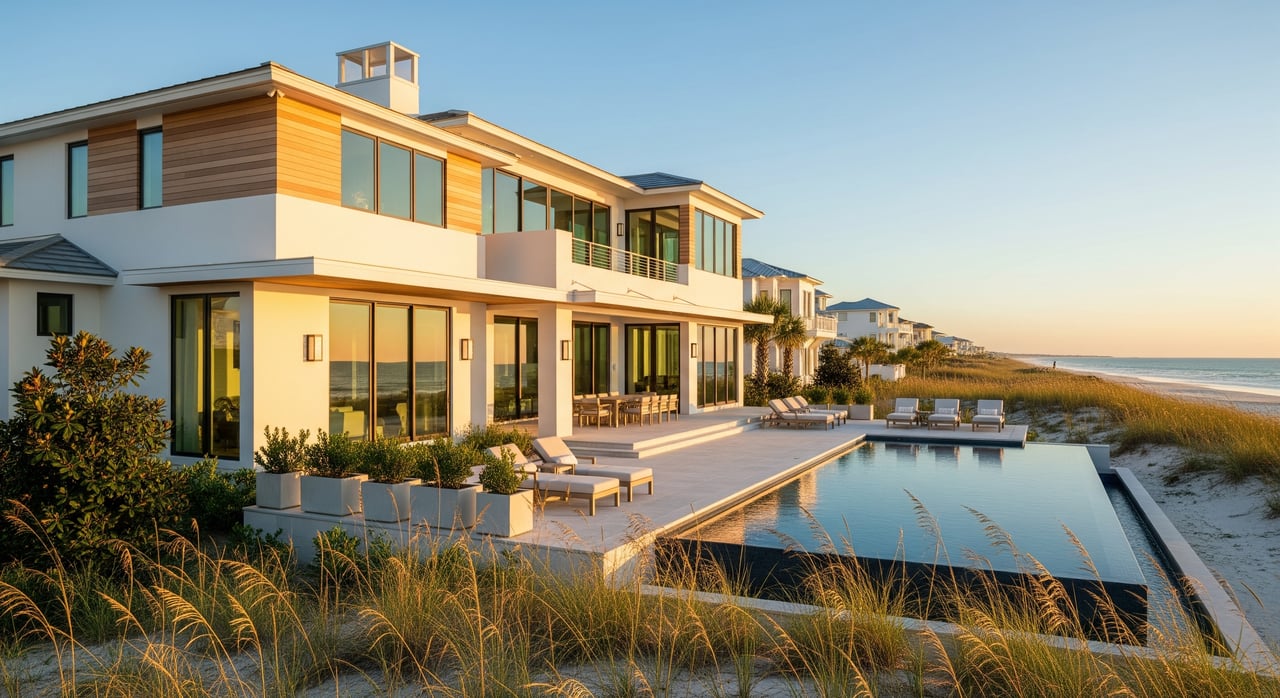
Thinking about building a coastal home in Sandestin but unsure how to finance it from the first shovel of dirt to move‑in day? You are not alone. Many second‑home buyers compare options and find construction‑to‑perm loans appealing, yet the steps, approvals, and timing can feel complex from a distance. In this guide, you will learn how these loans work, how draws and inspections flow, what Sandestin’s design review means for your timeline, and where county permitting and insurance fit in. Let’s dive in.
Construction‑to‑perm basics
A construction‑to‑permanent loan finances the build and then converts to a long‑term mortgage when the home is complete. During construction, you typically make interest‑only payments on the money that has been disbursed. After final inspections and completion, the loan converts and you begin regular principal and interest payments per your permanent terms.
Single‑close vs. two‑close
- Single‑close: One closing at the start, then automatic conversion to your permanent mortgage at completion. Many buyers like the certainty of one closing and one set of closing costs.
- Two‑close: A separate construction loan first, then a new closing for the permanent mortgage later. This can duplicate underwriting and fees but can fit certain scenarios.
Program availability and terms vary by lender, especially for second homes and vacation properties. Lenders may require larger down payments, higher reserves, or additional documentation based on occupancy and use.
Why choose this path in Sandestin
Construction‑to‑perm financing helps you avoid bridge loans while you build, and it pairs well with lender‑managed inspections that keep the project on track. In Sandestin, where ARB review, county permits, flood considerations, and wind requirements all influence timing, this structure gives you a clear framework from groundbreaking through conversion. For specifics, speak with a local lender familiar with Florida coastal construction loans.
How funds flow during construction
Draw schedules explained
Your builder is paid through draws as work is completed. Two common approaches are:
- Milestone draws at key stages such as foundation, framing, mechanicals, drywall, and final.
- Monthly draws based on percent complete and an agreed schedule of values.
Expect 5 to 8 draws for a standard single‑family home, with more for complex custom builds. Each draw is reviewed by the lender and typically matched to progress on site.
Inspections and approvals
Before each draw is released, the lender or a third‑party inspector verifies that the requested work is complete. If something is not finished or does not match the request, the lender can reduce or delay the disbursement until the work is corrected. This protects you, the builder, and the lender, and it helps keep the project aligned with the budget and plans.
Interest‑only during the build
During construction, you pay interest only on the amount that has been disbursed, not on the full loan commitment. As draws fund more work, your monthly interest payment changes. When the home is complete and the lender signs off, the loan converts to your permanent terms and you begin amortizing payments.
Retainage and lien protections
Lenders often hold a retainage of about 5 to 10 percent of each draw or the final draw until completion. The exact approach varies by lender. Expect to provide contractor sworn statements and lien waivers with each draw request, which helps protect against construction liens under Florida law. Ask your title company or a local real estate attorney to explain lien releases and what documents you should collect at each step.
Approvals and paperwork you will need
Lender underwriting package
Be ready to provide:
- Loan application, credit report, and income and asset documentation.
- Signed construction contract with a line‑item budget or schedule of values.
- Detailed plans and specifications that match what you intend to build.
- A project budget with contingency, often 5 to 10 percent of construction costs.
- An appraisal based on plans and specs, with a final appraisal or completion certification later.
Builder qualifications and insurance
Many lenders require the builder to be licensed and approved. Expect to provide builder license details, proof of general liability and workers’ compensation coverage, and references or a portfolio. In Florida, licensing can be verified with the state. Ask your lender about minimum builder qualifications early so you do not lose time.
Sandestin ARB design review
Communities like Sandestin use an Architectural Review Board (ARB) to confirm that design, materials, and site planning meet community standards. You may be asked for plans, elevations, materials and color selections, and landscape concepts. ARB review cycles vary and can add several weeks before permitting. Many lenders will not fund major draws, or even close the construction loan, until ARB approval and permits are secured. Start this process early and build in time for revisions.
Walton County permits and inspections
Walton County issues building permits and performs inspections for key stages such as foundation, framing, and final. Your permit application may need ARB approval, site and drainage plans, and engineered details for coastal construction. Review timelines can range from a few weeks to a few months depending on workload and complexity. County inspections often align with lender draw steps, so permit timing and inspection scheduling can influence when funds are released.
Title, flood, and insurance documentation
You will need a title commitment and lender’s title policy for the lot and loan. If the property is in a FEMA Special Flood Hazard Area, flood insurance is typically required for loans from federally regulated lenders. For coastal homes, expect builder’s risk during construction and wind coverage that meets current Florida building codes. Lenders often require proof that these coverages are in place before closing.
Coastal and community factors in Sandestin
Flood, elevation, and wind readiness
Sandestin and Miramar Beach are coastal, so storm surge, flood risk, and wind exposure are part of the planning. You may need elevation certificates, engineered foundations, flood vents, and wind‑resistant details to meet code and secure insurance. These requirements can affect design, cost, and timing, and lenders will want to see that you have addressed them in your plans and budget.
HOA rules and rental considerations
Sandestin’s design guidelines can shape exterior finishes, roof pitch, colors, and landscaping. Some communities also define rental policies. If you plan to rent your home, confirm community rules, because occupancy and rental intent can affect your loan terms and insurance underwriting. Lenders often set different requirements for second homes and investor properties.
Second‑home underwriting
For second homes, lenders may ask for higher down payments and cash reserves. They may also adjust rates or program availability based on rental intent. Discuss your use plans with your lender upfront so you know how they will underwrite your file and what documentation to gather.
A realistic timeline
Actual timing varies, but a typical path looks like this:
- Pre‑construction, 4 to 12+ weeks: Choose your builder, finalize plans and specs, submit for ARB review, complete lender underwriting, and order the initial appraisal. Your construction‑to‑perm loan closes after approvals are in good order.
- Permitting, 2 to 12+ weeks: Submit permits to Walton County once ARB approval is secured. Review time depends on completeness, engineering, and county workload.
- Construction, 3 to 12+ months: Duration depends on size and complexity. Expect monthly or milestone draws, lender inspections, and county inspections along the way.
- Conversion, 1 to 6 weeks: Final inspections, a completion appraisal or certification as required, a Certificate of Occupancy, and lender sign‑off for conversion to your permanent mortgage.
Common pitfalls to avoid
- Underestimating ARB review time or the need for design revisions.
- Selecting a builder who does not meet lender approval or Florida licensing requirements.
- Overlooking flood and wind insurance requirements that affect budget and timing.
- Forgetting to plan for retainage, contingency funds, impact fees, or HOA assessments.
- Assuming draw timing will match the contractor’s internal payroll cycles; align expectations in your contract.
- Closing without clearing title exceptions that could delay draws or final conversion.
Borrower checklist
Early steps
- Select an experienced local builder and verify Florida licensing and references.
- Contact Sandestin community management or the ARB for design guidelines and meeting schedules.
- Prequalify with a lender that offers construction‑to‑perm loans for second homes in Walton County.
Documents to assemble
- Final plans and specifications, plus a signed construction contract and schedule of values.
- Builder insurance certificates, license details, and prior project references.
- Proof of lot ownership or pending lot closing, along with your personal income and asset documentation.
- A contingency budget for the project, often 5 to 10 percent of construction cost.
Before each draw
- Confirm the lender’s inspector has verified progress on site.
- Collect contractor sworn statements and lien waivers for the work being paid.
- Verify permits are active and required county inspections have passed.
At completion
- Obtain a Certificate of Occupancy or equivalent, and the lender’s final inspection sign‑off.
- Complete any final appraisal or completion certification requested by the lender.
- Confirm the exact steps for conversion and when your permanent payments begin.
How to move forward with confidence
If you align design, approvals, and lending early, construction‑to‑perm financing can be straightforward, even from out of state. Start by confirming whether your home will be a second home or an investment, then speak with a lender who actively funds coastal construction in Walton County. At the same time, get ARB guidelines in hand and plan enough lead time for both ARB and county permitting. As your builder, we help you coordinate plans and specifications that reflect community standards and coastal requirements so your financing, approvals, and construction stay in sync.
Ready to talk through your ideas, timeline, and what it will take to build well in Sandestin? Reach out to Boswell Builders for a design conversation and a clear next step.
FAQs
What is a construction‑to‑perm loan for a Sandestin home?
- It finances your build with interest‑only payments during construction, then converts to a permanent mortgage after final inspections, approvals, and lender sign‑off.
How do draws and inspections work during construction?
- Your lender releases funds in stages as work is verified by an inspector; the draw amount must match progress in the field, and deficiencies can delay or reduce a disbursement.
Do I need ARB approval before the lender closes my loan?
- Many lenders require ARB approval and Walton County permits before closing or before funding major draws, so begin ARB review as early as possible.
What insurance is needed for coastal builds in Walton County?
- Expect builder’s risk during construction, wind coverage that meets Florida code, and flood insurance if the site is in a mapped Special Flood Hazard Area.
Will my second‑home or rental plans affect the loan?
- Yes; lenders underwrite second homes and investor properties differently, often with higher down payments, reserves, and documentation if short‑term rental use is expected.
How long does the overall process typically take?
- Pre‑construction and permitting can span several weeks to a few months, construction can take 3 to 12+ months, and conversion typically takes 1 to 6 weeks after final approvals.