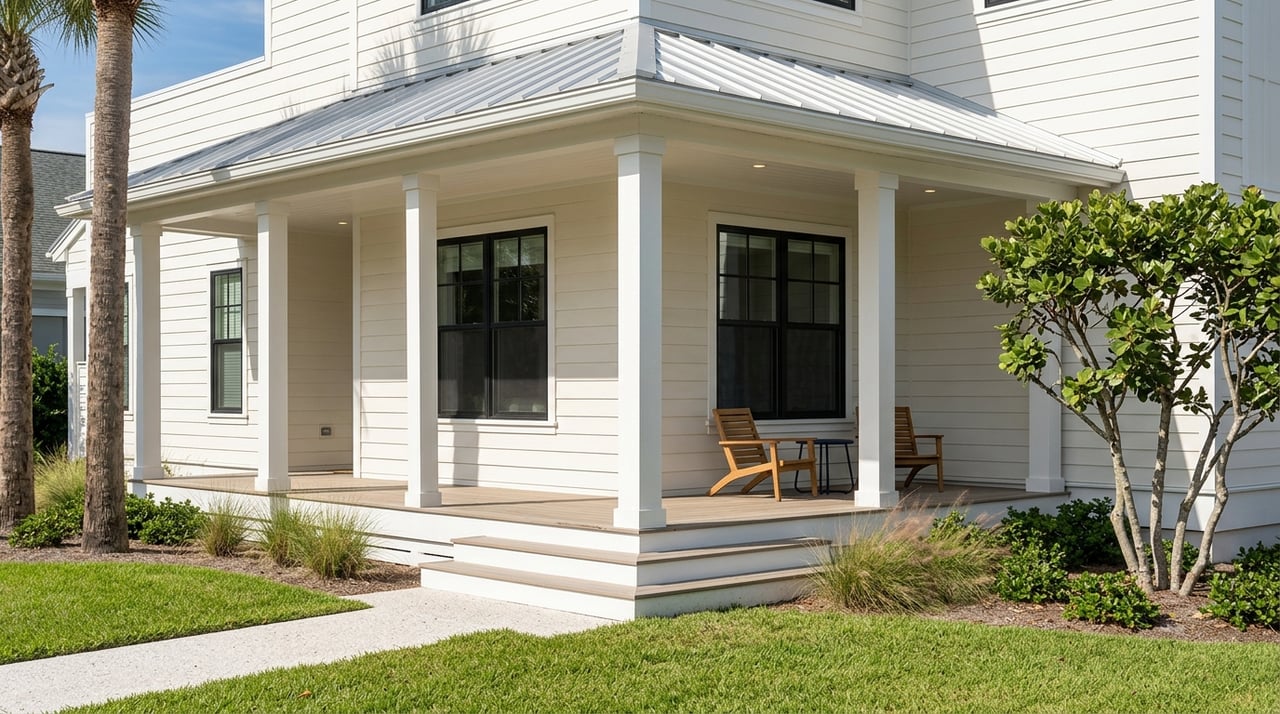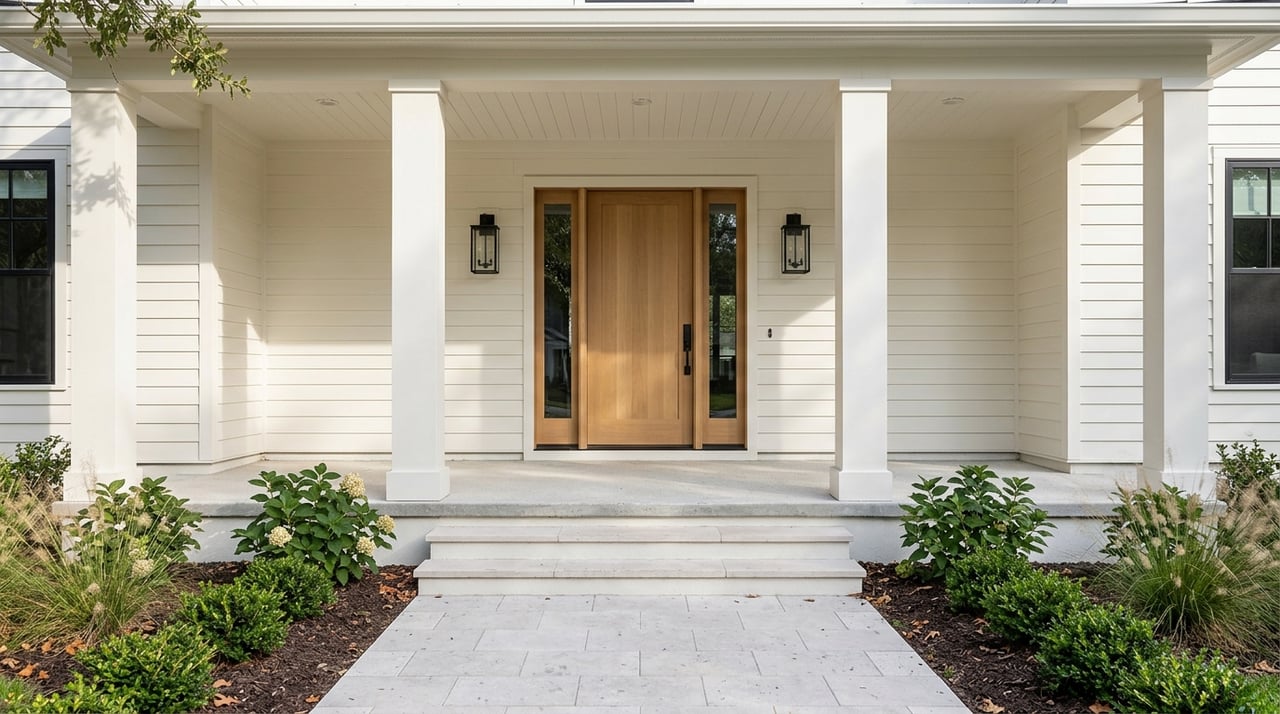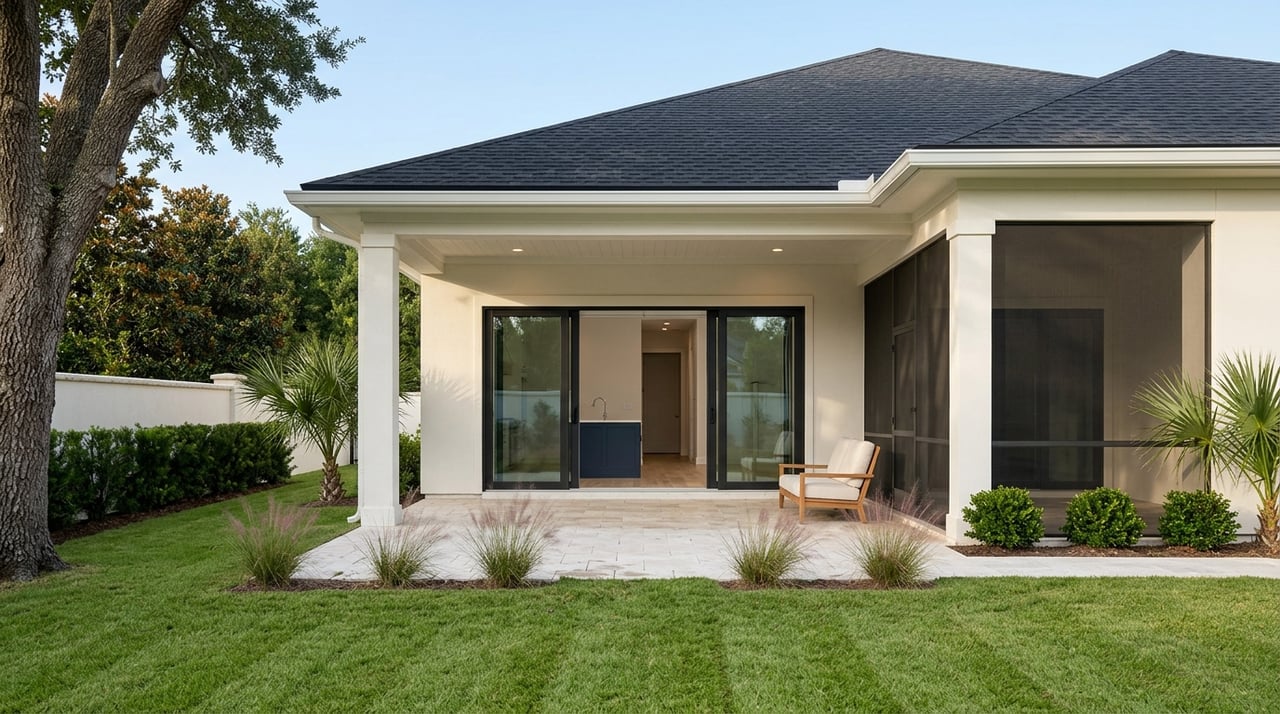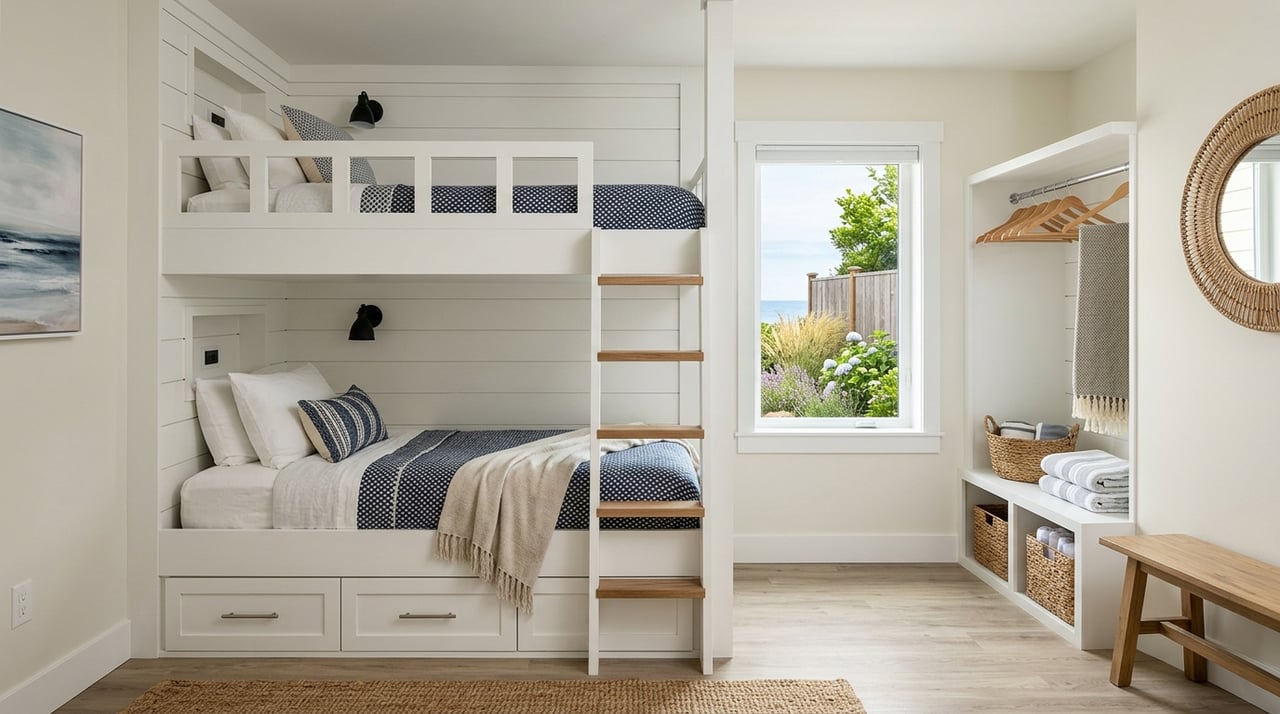
You can picture the light, the breeze, and the easy walk to the beach. Building a custom home in Sandestin can deliver that lifestyle, but it also brings unique rules that shape your design and timeline. If you understand the Sandestin Architectural Review Board (ARB), Walton County permits, and coastal requirements early, you can plan with confidence. This guide walks you through the steps, fees, timelines, and choices that matter most so you can move from idea to keys with fewer surprises. Let’s dive in.
Why Sandestin is unique
Sandestin is a 2,400+ acre resort community from the Gulf to Choctawhatchee Bay with golf, a marina, and the Village of Baytowne Wharf. Those amenities influence design choices, daily life, and potential rental demand. You can explore the resort context on the official site at Sandestin.
Design and construction inside the resort are governed by the Sandestin Owners Association through its ARB. Any exterior work or new home requires ARB review and approval. Start with the SOA Architectural Review Department for process and contacts.
Your step-by-step build plan
1) Pre-purchase due diligence
Before you buy a lot, confirm setbacks, minimum square footage, easements, flood zone, utilities, and neighborhood Supplemental Guidelines. The ARB Guidelines contain neighborhood-specific build envelopes and size minimums; use them as your primary reference. Review the ARB Guidelines and plan a boundary and tree survey.
If the property sits in a special flood hazard area, expect elevation requirements and floodplain review. Walton County outlines flood and permit basics on its Permits page.
2) Concept and preliminary ARB feedback
Work with your architect and builder to sketch massing, layout, and exterior direction that fit your neighborhood. A conceptual ARB review is optional but smart for tricky lots or variances. The ARB charges a $250 conceptual fee that can be applied to your final review if you submit within the stated window in the ARB Guidelines.
3) Final ARB submission and decision
Submit sealed plans and required documents for technical review. Expect a $1,250 new single-family review fee, a $0.25 per sq ft ARB impact fee for under-roof area and pools, and refundable compliance deposits with minimums of $5,000 from the owner and $5,000 from the contractor. See the SOA’s New Construction Application and checklist for exact requirements.
By rule, the ARB has up to 60 calendar days to decide once your application is complete. Approval letters typically require you to start within 1 year and finish within 18 months unless extended. Do not mobilize, clear, or start work until ARB approval and government permits are in hand.
4) County planning clearance, then building permit
After ARB approval, Walton County Planning and Development reviews your site plan for stormwater, grading, floodplain, and land development code compliance. That planning clearance is required before the building permit. Timelines vary by workload and complexity. See the county’s Building Permit Review process for the planning-to-permit workflow.
5) Coastal permits near the beach
If your work is seaward of or near the Coastal Construction Control Line, the Florida DEP may require a CCCL permit or general permit. These rules protect dunes and coastal systems and can influence siting and structure design. Review the DEP’s program and contact staff early at the CCCL permitting page.
6) Build and pass inspections
During construction, you will have county inspections and ARB compliance checks. Contractors must follow SOA rules for work hours, parking, dumpsters, portable toilets, and housekeeping. Review the SOA contractor rules to keep the job moving without fines or access issues.
7) Final ARB compliance and deposit release
At completion, the ARB performs a final compliance inspection to verify the approved plan was followed. If there are no outstanding fines or remediation needs, deposits are typically refunded within about 30 days after the final inspection.
Timelines you can expect
Design often takes 1 to 4 months, depending on customization. ARB review begins after a complete submittal; the Board can take up to 60 days to decide, although many applicants hear sooner. County planning and permitting often add several weeks to a few months. Construction for a full custom single-family home typically runs 6 to 12 months. From lot purchase through certificate of occupancy, many coastal builds take 12 to 24 months.
Key takeaway: timing is the biggest variable. Coastal reviews, hurricanes, material lead times, and change orders can shift schedules. Build slack into financing and move-in plans.
Budget and financing basics
ARB fees and deposits to budget
- Review fee for new single-family: $1,250.
- ARB impact fee: $0.25 per sq ft of under-roof area and for pools.
- Compliance deposits: $5,000 owner + $5,000 contractor minimum, refundable after final compliance.
- Optional conceptual review: $250 (applied to final if submitted within the stated window).
Confirm current amounts and forms in the ARB Guidelines and the New Construction Application.
County, state, and third-party costs
Expect county permit and plan review fees, stormwater engineering, and any applicable mobility or impact fees. Coastal or bayfront work may require DEP or federal approvals for seawalls or docks, which add time and consultant costs. Check fee schedules with Walton County and factor these into your budget.
Construction cost ranges
Coastal custom homes vary widely with finishes and engineering. Published Florida guides show rough ranges of $150 to $400+ per sq ft, with luxury coastal builds commonly above that band depending on design and structural needs. Use multiple local bids and carry a 10 to 20 percent contingency for finishes and supply swings. For background on statewide cost drivers, see this consumer overview of Florida build costs from HomeLight.
Financing and insurance
Many owners use construction-to-permanent loans. Lenders often require plans, a detailed budget, contractor qualifications, and flood and wind-mitigation details for coastal homes. Insurance premiums for coastal properties can be higher; newer code-compliant construction with wind mitigation is often viewed favorably by insurers. Get quotes early, and budget for flood coverage if the lot lies in or near a FEMA flood zone. Walton County’s Permits page outlines floodplain basics.
Choosing the right homesite
Your lot choice shapes design, permitting, insurance, and future maintenance. Here is a quick comparison to guide early decisions.
| Homesite type | Highlights | Permitting and rules to expect | Maintenance and insurance | Rental potential |
|---|---|---|---|---|
| Beachfront | Gulf views and direct access | CCCL review by Florida DEP; dune protection influences siting | Highest exposure and upkeep; higher insurance | Strong appeal for vacation demand |
| Bayfront or marina | Boating access and calm water views | Larger rear setbacks are common; docks or seawalls often need state and federal approvals | Bayfront structures and bulkheads add cost | Strong for boating-focused stays |
| Golf course | Fairway views and established setting | Many areas enforce larger rear setbacks to protect play and views | Moderate exterior upkeep; wind exposure varies | Attractive for seasonal visitors |
| Village or infill | Walkability to Baytowne Wharf and amenities | Tighter lot controls and neighborhood Supplemental Guidelines | Smaller footprints can reduce exterior maintenance | Solid event and shoulder-season demand |
Always verify your exact neighborhood setbacks, minimums, and exterior palettes in the ARB Guidelines.
Short-term rental rules to know
Many Sandestin properties allow short-term rentals, but rules vary by neighborhood and building type. Walton County requires an annual vacation rental registration, a fee per property, and a local responsible party who can respond within one hour. Review the county’s Vacation Rental Registration Program and confirm HOA or condo-specific rules before underwriting rental income.
Pre-purchase checklist
- Pull your neighborhood’s Supplemental Guidelines and the building envelope table for the lot. Verify setbacks and minimum square footage.
- Order a boundary and tree survey; confirm easements and any protected trees.
- Check FEMA flood maps; request existing elevation certificates; plan for required finished-floor elevations.
- Confirm water, sewer, power, and internet availability at the lot; clarify any off-site costs to connect.
- If bayfront or beachfront, plan for CCCL review and additional permits for docks or seawalls. Budget for coastal engineering.
- If you plan to rent, confirm county registration requirements and HOA or condo rules.
Key rules and timelines
- ARB decision window: up to 60 days from a complete submittal.
- Approval conditions: start within 1 year; complete within 18 months unless extended.
- No work may begin until ARB approval and government permits are issued.
- Expect total project time of 12 to 24 months depending on design, permitting, and construction variables.
How Boswell Builders helps
A smooth Sandestin build starts with aligned design, clear budgets, and hands-on oversight. As a local design-build firm with decades on the Emerald Coast, we connect concept to constructability and help your home fit neighborhood standards and coastal conditions. You get one team for site-aware design, selections, and construction, with owner attention from start to finish.
Ready to talk lots, layouts, and timelines? Connect with Boswell Builders to start a site walk or design consultation.
FAQs
How long does a custom home in Sandestin usually take?
- Many projects run 12 to 24 months from lot purchase through completion, with 6 to 12 months on site for construction depending on complexity and conditions.
What ARB fees and deposits should I expect in Sandestin?
- Plan for a $1,250 review fee, a $0.25 per sq ft ARB impact fee, and refundable compliance deposits of $5,000 from the owner and $5,000 from the contractor.
Do I need a Florida DEP CCCL permit near the beach in Sandestin?
- If the lot is seaward of or near the Coastal Construction Control Line, a DEP CCCL permit or general permit may be required, which can affect siting and design.
What setbacks and minimum sizes apply to Sandestin neighborhoods?
- Setbacks and minimum square footage vary by neighborhood and lot type; consult the ARB Guidelines and the neighborhood Supplemental Guidelines for exact numbers.
Can I rent my new Sandestin home short term?
- Many areas allow it, but Walton County requires annual registration and a local responsible party, and HOA or condo rules may add restrictions.
Who inspects construction inside Sandestin?
- Walton County conducts code inspections while the ARB Compliance Officer monitors adherence to approved plans and SOA job-site rules.