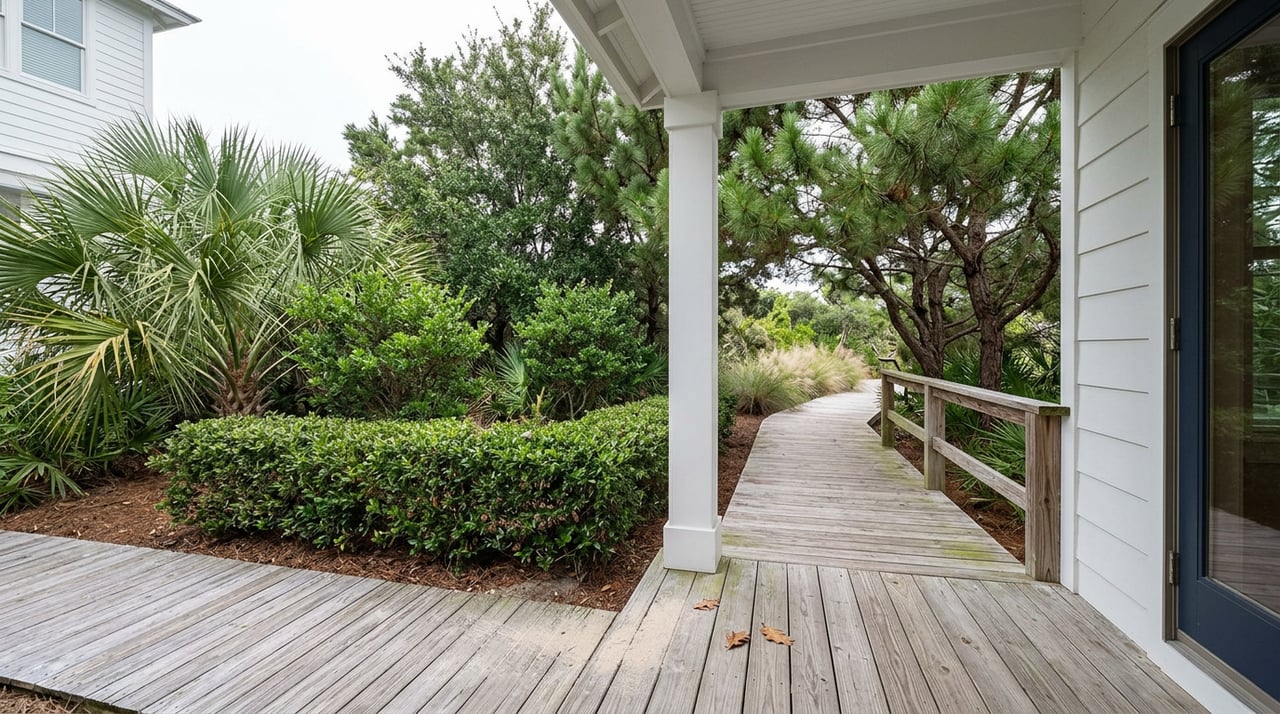
Picture your day starting with a quiet stroll along a wooden boardwalk, the dunes opening to a calm stretch of Gulf shoreline. If you love the 30A lifestyle but want a neighborhood that feels intimate and well cared for, WaterSound West Beach fits that vision. In this guide, you’ll see how everyday life unfolds here, which home layouts work best, what HOA rules matter, and how to plan a coastal build that holds up over time. Let’s dive in.
WaterSound West Beach at a glance
WaterSound West Beach is a gated, walkable neighborhood on Scenic 30A in Walton County. The community highlights private boardwalks that connect to Deer Lake State Park and the Gulf, a design choice that keeps the beach approach peaceful and protected. According to the community, the neighborhood includes about 199 homes inspired by traditional seaside villages and tied together by parks, lake views and long boardwalks. You can explore the neighborhood overview on the WaterSound West Beach site.
A quick location note: while many 30A searches include nearby Bay County zip codes, WaterSound West Beach addresses typically use Walton County zips like 32459 or 32461. If you’re comparing listings, confirm the exact address and county for clarity.
Daily life shaped by nature and amenities
Life in West Beach orbits around simple routines that take advantage of the setting. The neighborhood features a zero‑entry pool and pool house with shaded lounge areas and spots to grill, which encourages short, easy walk‑to‑the‑pool afternoons. Private boardwalks lead across protected dunes toward Deer Lake State Park, known for its ADA‑compliant path through dune habitat and a serene Gulf approach. Learn more about the park’s setting and trails on the Deer Lake State Park page.
If you prefer to ride, the 19‑mile Timpoochee Trail along 30A connects WaterSound to nearby towns for coffee runs, dinner, or a sunset cruise. See an overview of the path on the Timpoochee Trail guide.
Some owners add another layer by joining the nearby Watersound Beach Club, which offers gulf‑front pools, beach chair and umbrella service, and dining. Membership is optional and not tied to property ownership. To understand what that access includes, review the Beach Club overview and confirm details on the Club’s FAQs.
HOA rules that guide your routine
WaterSound West Beach places a strong emphasis on dune protection and orderly circulation. These rules shape how you live day to day:
- Golf carts: Rental golf carts are not permitted in West Beach. Only owner‑registered carts with a West Beach decal are allowed.
- Boardwalks and bikes: Bicycles are restricted on most boardwalks except in signed areas.
- Dune protection: You may not walk on or store gear on the dunes. Respect posted signage and use designated walkovers only.
- Parking: No street parking. Use designated spaces.
Before you book a rental or finalize a purchase, review the current “Rules for Renters” published by the HOA. You can find the latest PDF on the WaterSound West Beach documents page.
Home styles and smart layouts
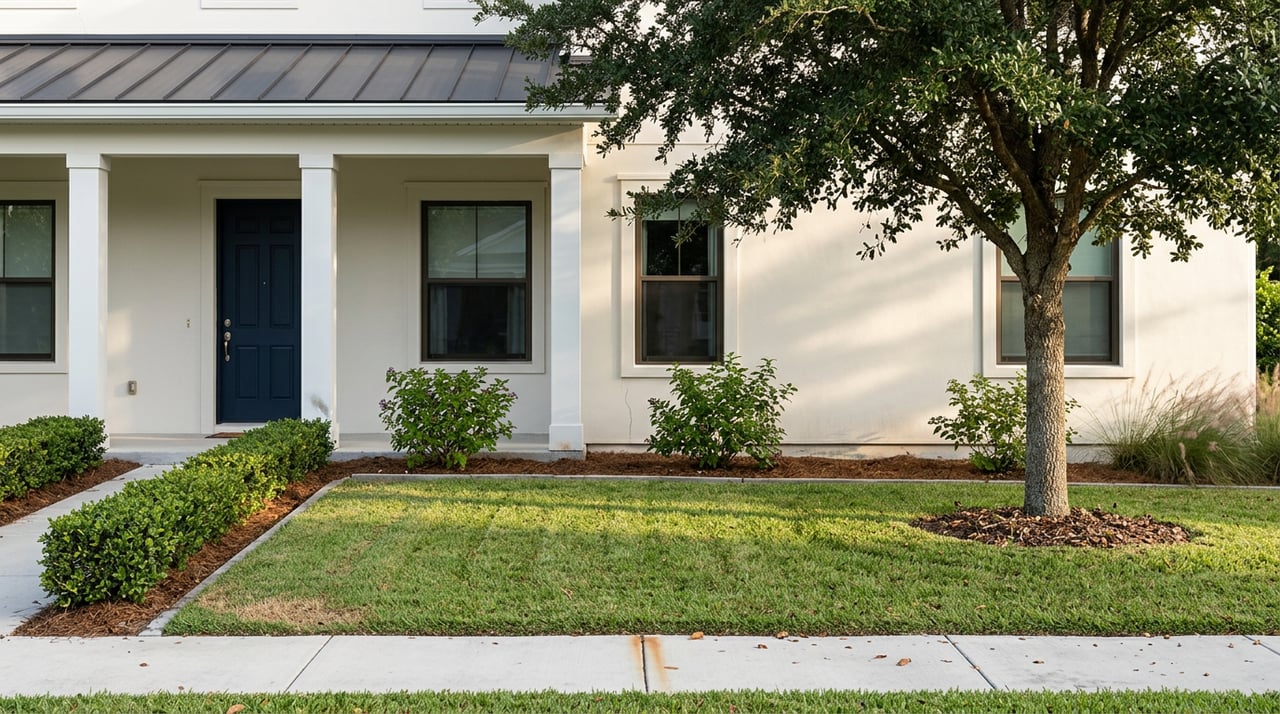
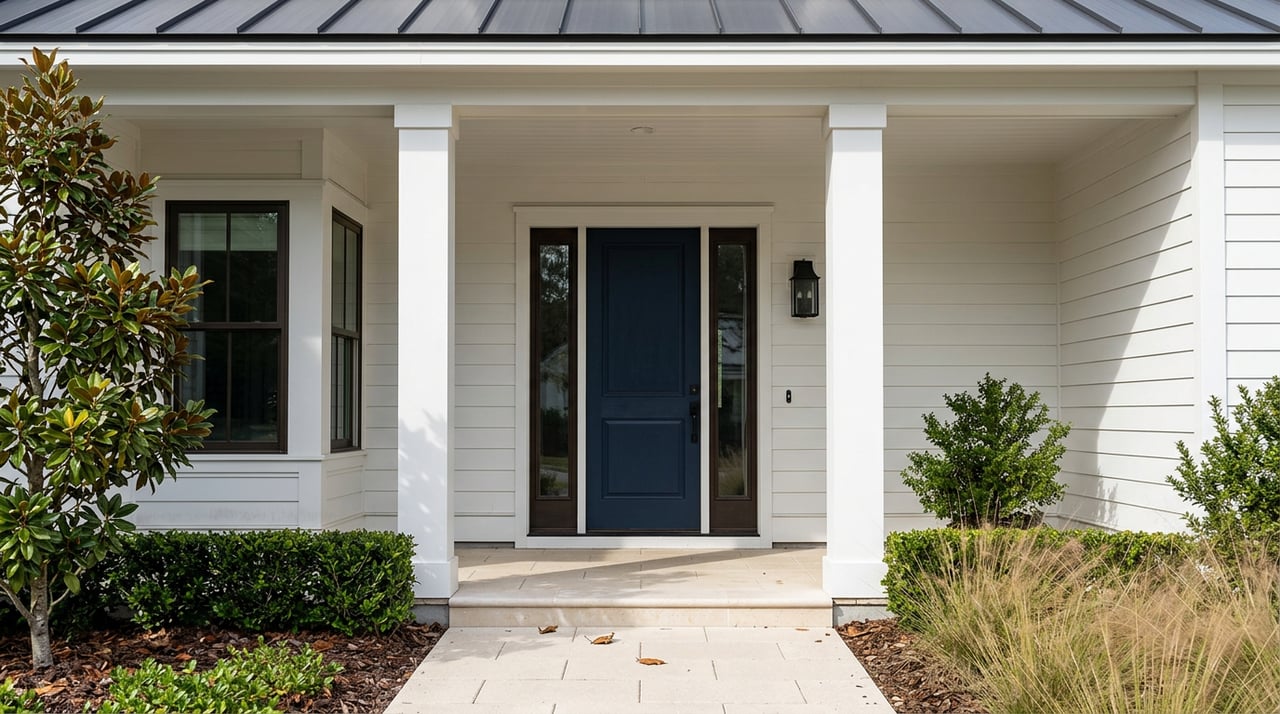
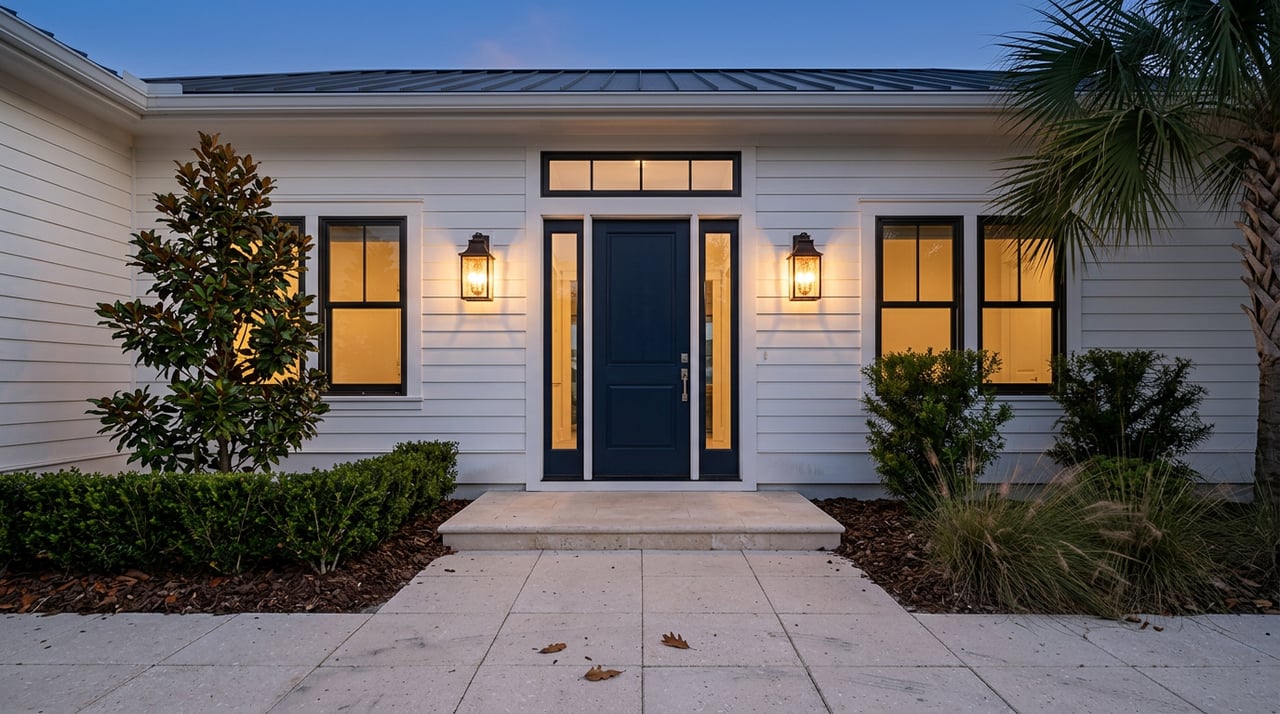
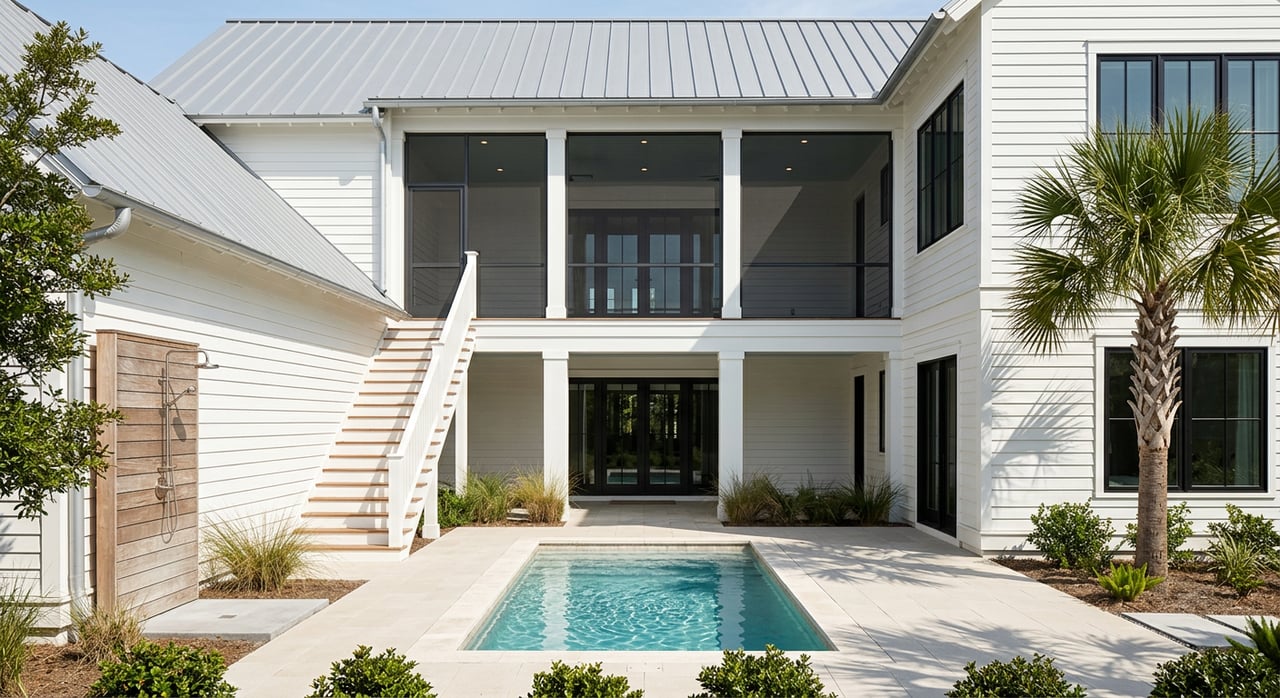
Architecturally, West Beach blends raised coastal cottages with broad porches and clean, traditional detailing. You’ll find single‑level cottages and multi‑story homes, some with rooftop decks and elevators. The shared thread is a focus on daylight, cross‑breezes and outdoor living that feels connected to the neighborhood’s boardwalks and pine flatwoods.
Reverse plans for light and views
Many homes on 30A, including West Beach, use a reverse or “upside‑down” floor plan that places the kitchen, dining and living spaces upstairs with bedrooms on a lower level. This brings more light to your main gathering areas and can expand sightlines above nearby rooftops and vegetation. It also creates a quieter, more private feel for bedrooms.
Bunk and bonus spaces for guests
If you plan to host, built‑in bunks or a dedicated bunk room help you sleep more people comfortably without changing a primary suite every trip. Bonus rooms and guest suites with en‑suite baths give friends or relatives space to unwind after a beach day.
Screened and covered porches
Screened porches are a staple here. They offer an insect‑free place for morning coffee or evening cocktails, acting like a third living room that stays usable most of the year. Covered porches and balconies extend that indoor‑outdoor connection, providing shade and airflow even in peak summer.
Ground level made practical
Coastal routines drive smart ground‑level design. Many homes include:
- An outdoor shower to rinse off sand and salt.
- A garage or dedicated gear nook for bikes, boards and a golf cart.
- A nearby laundry or mudroom to handle towels and swimsuits fast.
This arrival zone keeps the rest of your home clean and helps you turn around quickly for dinner, sunset, or a night swim.
How layout choices support beach life
Think of your home as a simple choreography that repeats with ease:
- Return from the beach via the boardwalk. Rinse off at the outdoor shower.
- Drop chairs, umbrellas and boards in the garage or storage alcove.
- Start a quick load in the laundry and hang damp items on a porch to dry.
- Head upstairs to a bright kitchen and living space for sunset and supper.
A reverse plan keeps sandy traffic away from bedrooms and pulls the most used spaces into the breeziest, sunniest part of the home. Screened porches bridge the gap between outdoors and in, so you can relax while gear dries and the day cools.
Codes, elevation and coastal materials
Elevated construction and NFIP basics
Many homes in shoreline zones are elevated on piers or pilings to meet flood and storm requirements. Enclosed areas below the base flood elevation are carefully controlled, often using flood openings or breakaway walls, and utilities are placed to minimize risk. For a deeper look at best practices, see FEMA’s Coastal Construction Manual overview on FEMA.gov.
Durable, coastal‑grade finishes
Salt air and sun call for materials that last. Common coastal choices include fiber‑cement siding matched to the local climate, marine‑grade stainless fasteners, impact‑rated windows and doors, and powder‑coated metal for exterior fixtures. James Hardie explains climate‑tuned products through the HardieZone system, which is one reason fiber‑cement siding shows up often in 30A builds.
These decisions affect both maintenance and insurance over time. Choosing durable finishes early can reduce repaint cycles, keep decks and rails cleaner, and help windows and doors perform when storms push through.
Planning your build or renovation
Designing for West Beach means aligning lifestyle, neighborhood guidelines and the coastal environment. Start with how you want to live, then fit the plan to that:
- Prefer car‑light days. Prioritize safe bike storage, clear gear paths and a driveway that works for an owner‑registered golf cart if you plan to have one.
- Love to host. Add a bunk room or flexible guest suite. Consider a lock‑off space if you foresee rental or frequent visitors.
- Crave breezes and light. Place kitchen, dining and living upstairs and layer in covered and screened outdoor rooms for shade.
- Want low‑stress upkeep. Specify fiber‑cement siding, marine‑grade fasteners and impact openings early in design.
- Care about quiet beach approaches. Plan outdoor showers, a sand room and durable floors to keep grit contained.
Always verify HOA updates before finalizing your plan. And if Club access is important, review the Watersound Club FAQs to understand membership terms and guest policies.
Quick planning checklist
- Confirm address and county details for any property you’re considering in the 30A corridor.
- Review the current HOA “Rules for Renters” for parking, boardwalk use and golf cart policies. Start here: West Beach rules PDF.
- Decide if a reverse plan fits your lifestyle. Think through upstairs living and downstairs sleeping.
- Map your arrival zone: outdoor shower, storage, laundry and a sand‑friendly path.
- Choose screened and covered outdoor rooms to expand living space comfortably.
- Select coastal‑grade materials and verify flood elevation details early. Reference FEMA’s coastal guidance and climate‑tuned siding like HardieZone.
- If desired, research Watersound Beach Club membership options and confirm terms.
Ready to design your West Beach home?
When you build along 30A, local knowledge and hands‑on leadership matter. A thoughtful plan, durable specifications and a clear path through neighborhood standards make the difference between a beach house that works and one that frustrates. If you’re exploring a new build or a semi‑custom design in WaterSound West Beach, let’s talk about layouts, materials and a timeline that fit your goals. Connect with Boswell Builders to start your plan.
FAQs
What is WaterSound West Beach and where is it located?
- WaterSound West Beach is a gated, walkable neighborhood on Scenic 30A in Walton County with private boardwalks that connect to Deer Lake State Park and the Gulf; see the community overview.
How do HOA rules affect using golf carts and bikes in WaterSound West Beach?
- Rental golf carts are not allowed, only owner‑registered carts with decals are permitted, and bicycles are restricted on most boardwalks; review the HOA rules PDF.
Are Watersound Beach Club amenities included with a home purchase in West Beach?
- No, Beach Club access is separate and requires membership; confirm services and eligibility on the Beach Club page and Club FAQs.
Which home layouts work well for hosting guests near the beach?
- Reverse plans place living spaces upstairs for light and views, while bunk rooms and flexible guest suites add comfortable sleeping capacity for visitors.
What materials hold up best in a 30A coastal environment?
- Durable choices include fiber‑cement siding, marine‑grade stainless fasteners, impact‑rated windows and doors, and powder‑coated exterior fixtures; see HardieZone guidance.
Why are many homes elevated in WaterSound West Beach?
- Elevation helps meet flood and storm standards, with controlled enclosures and utility placement guided by NFIP best practices; review FEMA’s coastal overview on FEMA.gov.