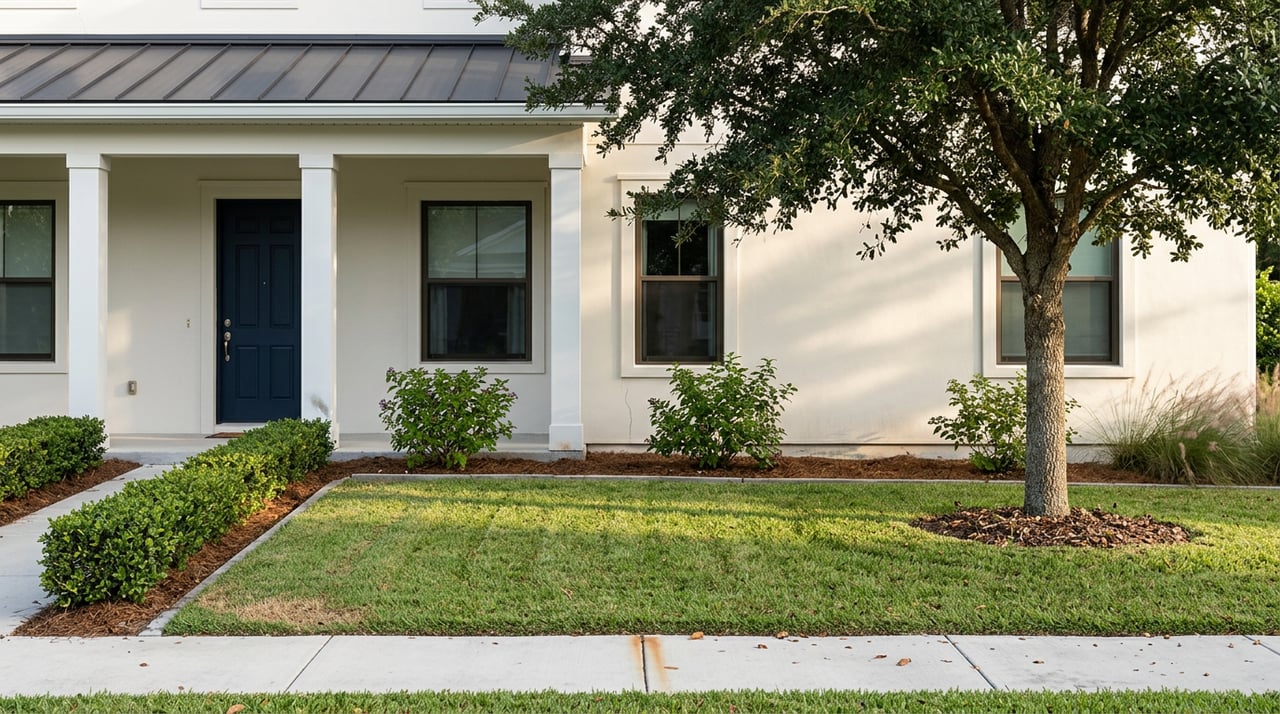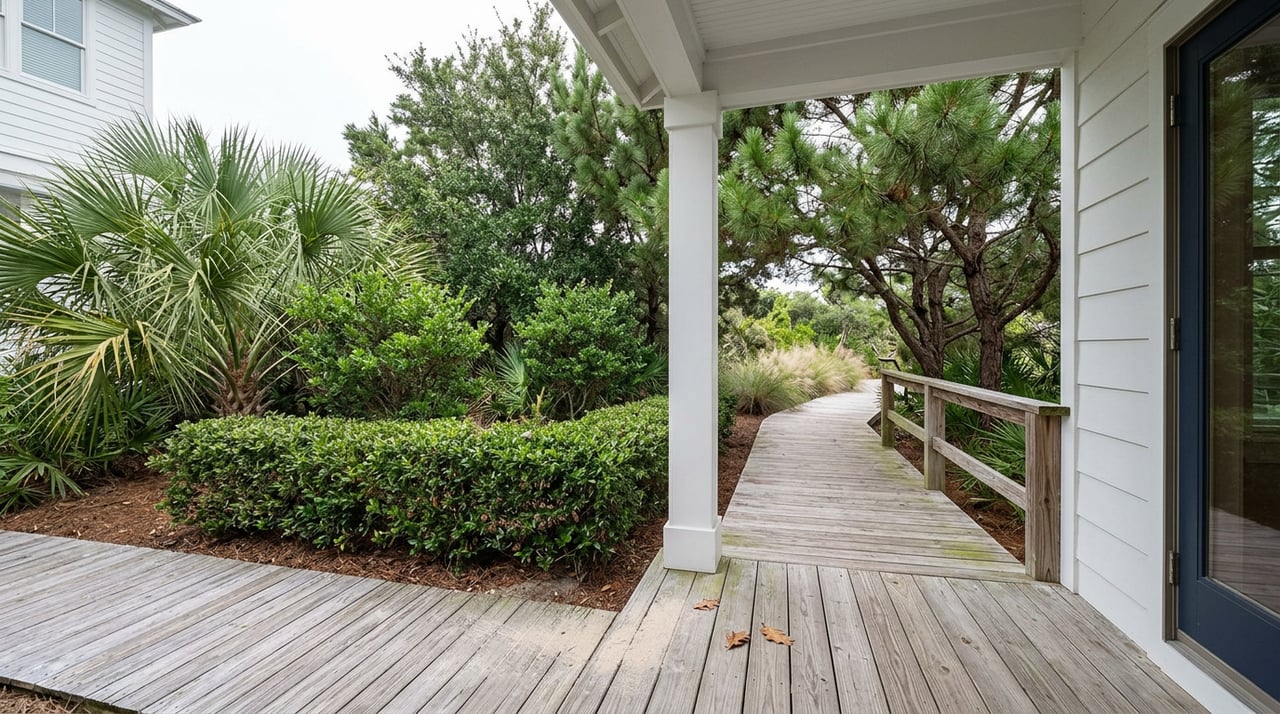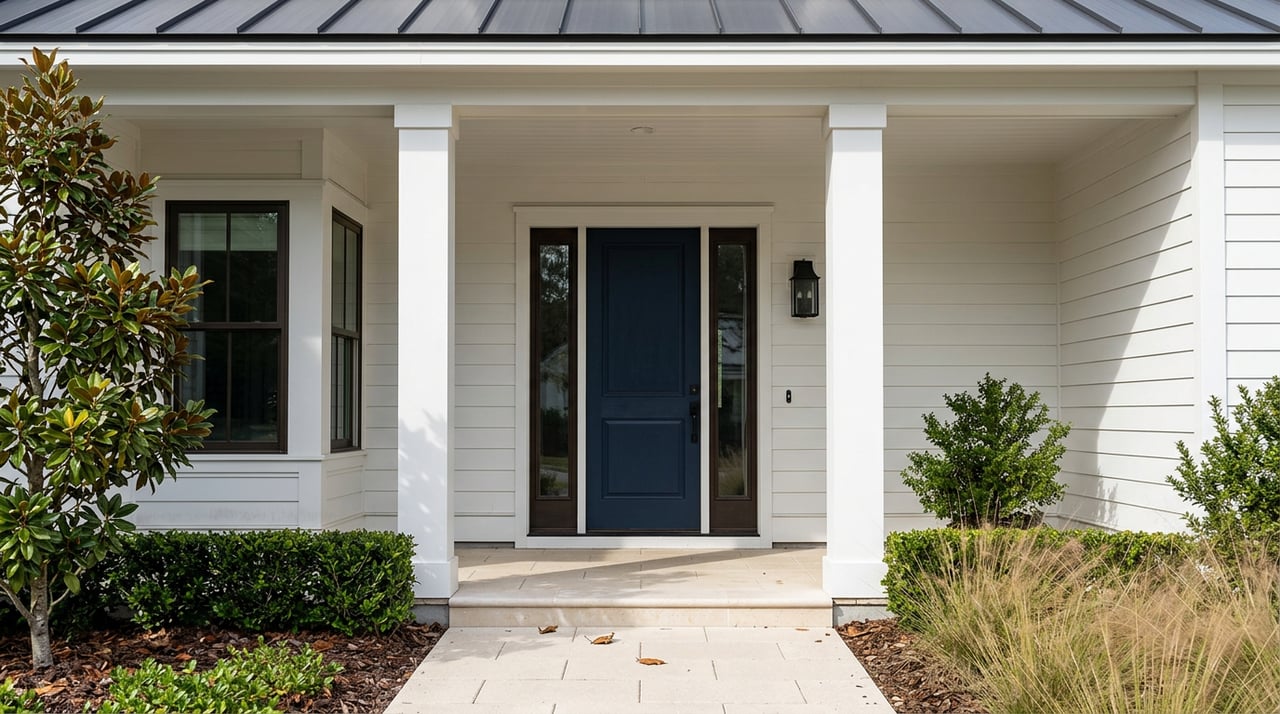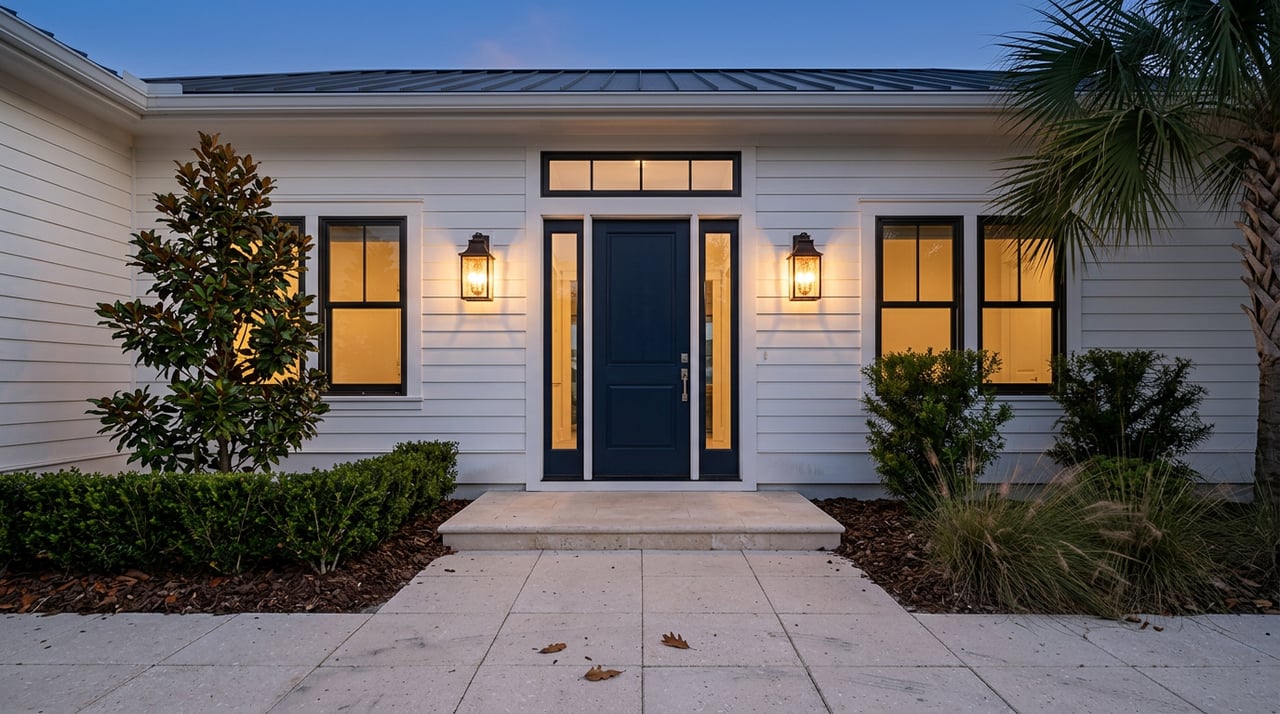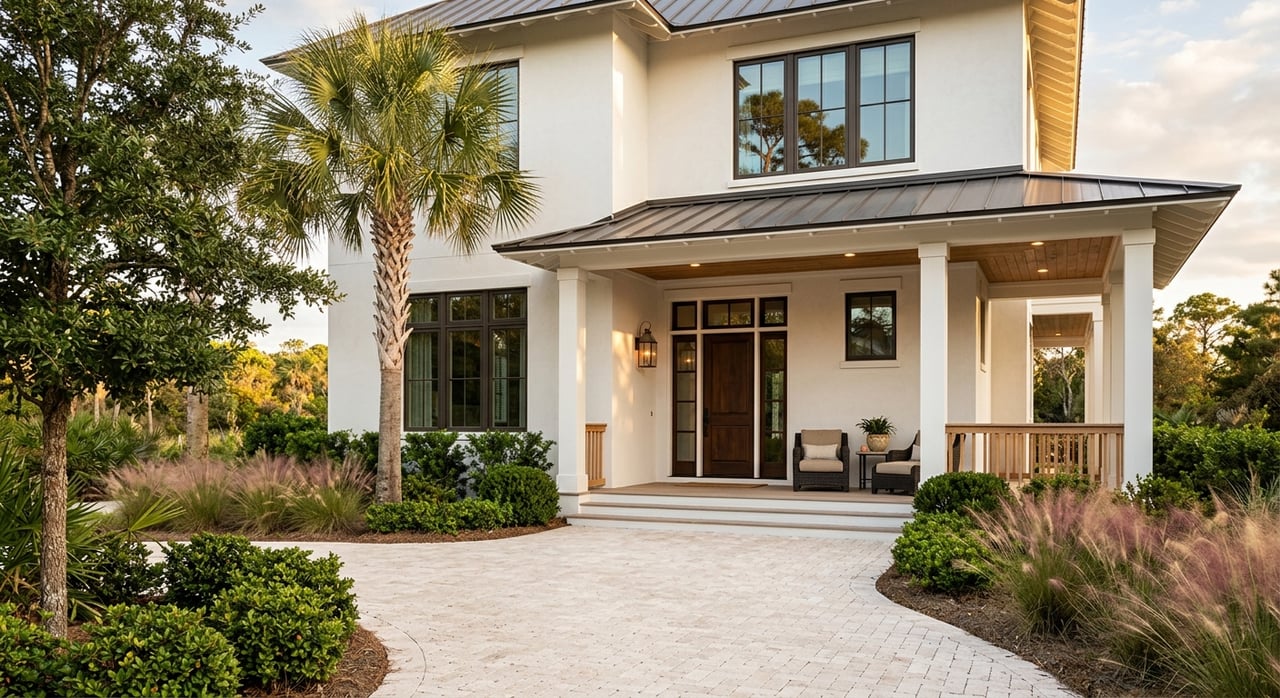
Building a new home in Kelly Plantation can feel exciting right up until the timeline questions start. How long will design take? When does HOA review happen? What can slow the process down? If you are planning a custom home in this community, the best way to reduce stress is to understand the sequence early. Let’s walk through what a realistic design-build timeline looks like in Kelly Plantation and where smart planning can save you time.
Why Kelly Plantation timelines are unique
Kelly Plantation is a master-planned community in Destin made up of nine neighborhoods governed by a shared design code. That matters because your timeline is shaped by more than your floor plan. It also depends on neighborhood-specific rules, architectural review, and the documentation needed for city approval.
For estate-lot buyers, Waterford is especially important. The neighborhood is described as an exclusive gated area with 17 homesites of about 1 to 3 acres, and its design guidelines require a Florida licensed building contractor, a Florida registered landscape architect, portfolio submissions for architects and builders, and a $2,500 initial design review fee. In practical terms, that means more decisions are made up front and the pre-construction phase can take longer.
Start with due diligence
Before design is locked, you need to confirm what the lot can support. The City of Destin FAQ says owners should verify zoning, setbacks, and site-plan requirements with Planning before moving too far ahead.
This step matters because Destin also requires new or structurally modified buildings to be drawn and signed and sealed by an architect or engineer. If you rush into design before confirming the lot constraints, you risk revisions later that can affect both schedule and budget.
Weeks 1 to 4: Early planning
A smart first month usually includes:
- Lot due diligence
- Survey review
- Zoning and setback confirmation
- Builder selection
- Early review of HOA and neighborhood guidelines
This is also the best time to identify whether your lot may trigger additional coastal or flood-related documentation. Kelly Plantation’s setting between the bay and the Gulf means some homesites may require more engineering and paperwork before construction begins.
Design comes before approvals
Once you understand the lot, the design-build timeline moves into concept development. This is where your team works through site planning, floor plan direction, exterior style, and landscape approach.
Weeks 3 to 10: Design development
For many Kelly Plantation homes, this is the window where the biggest choices should be made. The earlier you settle major design decisions, the easier it is to prepare a strong submittal for committee review and city permitting.
For estate lots in neighborhoods like Waterford, that front-loaded work is even more important. Because the neighborhood guidelines call for architect and builder portfolio review, the process tends to reward teams that arrive with a clear, complete vision rather than a rough concept.
HOA review is a real timeline step
In Kelly Plantation, architectural review is not a simple signoff. The community’s governing documents and owner information show separate materials for architectural criteria, neighborhood-specific design guidelines, exterior modification fees, and new-build fees. The community also lists an Architectural Review Committee, and the management office notes that New Construction Committee requests and deposits are handled through the Owners’ Club office.
Weeks 6 to 14: Committee review and revisions
This phase often includes:
- Preparing the architectural package
- Coordinating required supporting documents
- Submitting for HOA or committee review
- Responding to revision requests
- Finalizing the package for permit submission
This is one of the biggest places timelines stretch. If the design is still changing after submittal, or if the package is incomplete, you can lose weeks in revisions.
City permitting requires a complete package
After community review, the next major milestone is city plan review and permit issuance. Destin’s new residential permit requirements are detailed, and that is one reason complete planning up front matters so much.
Weeks 10 to 20: Permit review and approvals
The city requires one complete sealed plan set and a wide range of supporting materials, including:
- Site plan and grading or topography information
- Architectural and structural plans
- Mechanical, electrical, plumbing, and roofing plans
- Florida product approvals
- Energy packet
- Related agency or utility approvals, if needed
- FEMA elevation documents where applicable
- V-zone compliance documents where applicable
- Stormwater documents
For some lots, utility, flood, stormwater, or fire-related approvals can add time. The key point is simple: the cleaner and more complete the permit package, the smoother this phase tends to go.
Construction starts after permit issuance
Once the permit is issued, the project shifts from planning to field execution. Nationally, the NAHB reported that the average time to complete a single-family home in 2023 was 10.1 months. In Kelly Plantation, custom homes may lean toward the longer end because of HOA review, sealed-plan requirements, surveys, and coastal documentation.
Months 0 to 3 after permit: Site work and foundation
This stage typically covers:
- Site prep
- Erosion control
- Excavation
- Foundation work
- Slab
- Early inspections
Destin notes that a permit remains valid for two years if work stays continuous, but it becomes void if the project is dormant for six months, according to the city FAQ. That makes steady scheduling important from the start.
Months 3 to 8: Framing and rough-ins
This is when the structure takes shape. Framing, dry-in, and rough mechanical, electrical, and plumbing work usually happen here, along with mid-construction inspections.
Survey timing matters in this window. Destin says a foundation survey is required before dry-in for qualifying projects, and it must show the finished floor elevation, the crown of the nearest road, and setbacks.
Months 8 to 10+: Finishes and closeout
In the final stretch, the work usually includes:
- Insulation and drywall
- Interior finishes
- Exterior finishes and final site work
- Punch list items
- Final survey
- Certificate of Occupancy process
Destin states that the Certificate of Occupancy is not issued until the final site inspection is approved and all required items are complete. The city also requires an as-built survey before CO.
What can delay your build
Most schedule problems do not come from one dramatic issue. They usually come from small breakdowns early in the process that create larger ripple effects later.
The most common timeline risks
Based on the published Kelly Plantation and Destin process, the biggest risks include:
- Late design changes
- Incomplete plan sets
- HOA revision cycles
- Survey or elevation issues
- Missing coastal or flood-related documents
- Permit pauses caused by incomplete paperwork
Destin’s process is especially sensitive to documentation completeness. The city requires a full plan package at submission and a Notice of Commencement before the first inspection.
How to keep the timeline moving
The best planning window is the front end of the project. If you make the major decisions before committee submittal, construction becomes more about sequencing and execution than redesign.
Best practices for a smoother schedule
To reduce avoidable delays, it helps to:
- Confirm lot constraints before finalizing plans
- Choose your builder early
- Settle the floor plan and exterior direction before HOA review
- Coordinate landscape planning early when required
- Prepare a complete permit package
- Track survey and elevation requirements in advance
It also helps to remember that Kelly Plantation has posted contractor work hours through its owner information page: March through October, 7:00 a.m. to 6:00 p.m.; November through February, 7:00 a.m. to 5:00 p.m.; with no contractor work on Sundays or major holidays. Those limits should be built into any realistic construction schedule.
A practical planning estimate
For most buyers, the best way to think about a Kelly Plantation design-build project is not as a fixed promise but as a planning range. A well-organized project may move smoothly from due diligence to completion, but high-detail custom homes in a review-driven coastal community usually benefit from extra lead time.
A reasonable planning framework is:
| Phase | Typical Timing |
|---|---|
| Due diligence and team selection | Weeks 1 to 4 |
| Design development | Weeks 3 to 10 |
| HOA or committee review | Weeks 6 to 14 |
| City permitting | Weeks 10 to 20 |
| Early construction | Months 0 to 3 after permit |
| Framing and rough-ins | Months 3 to 8 |
| Finishes and closeout | Months 8 to 10+ |
If you are building on an estate or waterfront-oriented homesite, more front-end planning is usually worth it. Clear decisions early often save more time than rushed approvals later.
When you want a timeline that reflects both community requirements and real-world construction sequencing, working with a local design-build team can make the process feel much more manageable. If you are exploring a new home in Kelly Plantation, Boswell Builders brings owner-led supervision, in-house design insight, and Emerald Coast community knowledge to help you plan with more clarity from day one.
FAQs
How long does a new home timeline usually take in Kelly Plantation?
- A practical planning range is several weeks for due diligence, design, HOA review, and permitting, followed by roughly 8 to 10 or more months of construction after permit issuance, depending on the home and lot conditions.
Do new homes in Kelly Plantation need HOA architectural review?
- Yes. Kelly Plantation provides architectural criteria, neighborhood-specific guidelines, and committee review materials for new construction and exterior changes.
Does the City of Destin require sealed plans for a new home?
- Yes. The City of Destin says new or structurally modified buildings must be drawn and signed and sealed by an architect or engineer.
When are surveys required for a new home in Destin?
- Destin says a foundation survey is required before dry-in for qualifying projects, and an as-built survey is required before the Certificate of Occupancy.
Can an owner act as their own contractor for a new home in Destin?
- Yes, in limited cases for a one- or two-family residence used for personal occupancy, but that does not remove HOA or city requirements.
How long is a building permit valid for a new home in Destin?
- The city says a permit is valid for two years if work remains continuous, but it becomes void if the project is dormant for six months.