Dreaming about a beach home that feels charming instead of cliché can be harder than it sounds. In a place like Paradise Cove in Cocoa Beach, you want a cottage look that fits the shoreline setting, works for daily life, and stands up to salt, wind, and humidity. The good news is that great coastal cottage design is not just about pretty finishes. It is about calm colors, shaded outdoor living, and durable choices that make your home easier to enjoy for years to come. Let’s dive in.
Start With the Coastal Cottage Feel
In Cocoa Beach, the setting does a lot of the design work for you. The city describes itself as a barrier-island town on Florida’s Space Coast with six miles of shoreline and more than 40 beach access points, so homes here naturally connect to a beach-forward lifestyle.
That is why cottage design feels so appropriate in Paradise Cove. The local context already supports smaller-scale, porch-forward homes, and Cocoa Beach zoning records even use cottage-focused language in parts of the city. Instead of forcing a theme, you can lean into a style that already feels at home in the area.
Keep the Scale Comfortable
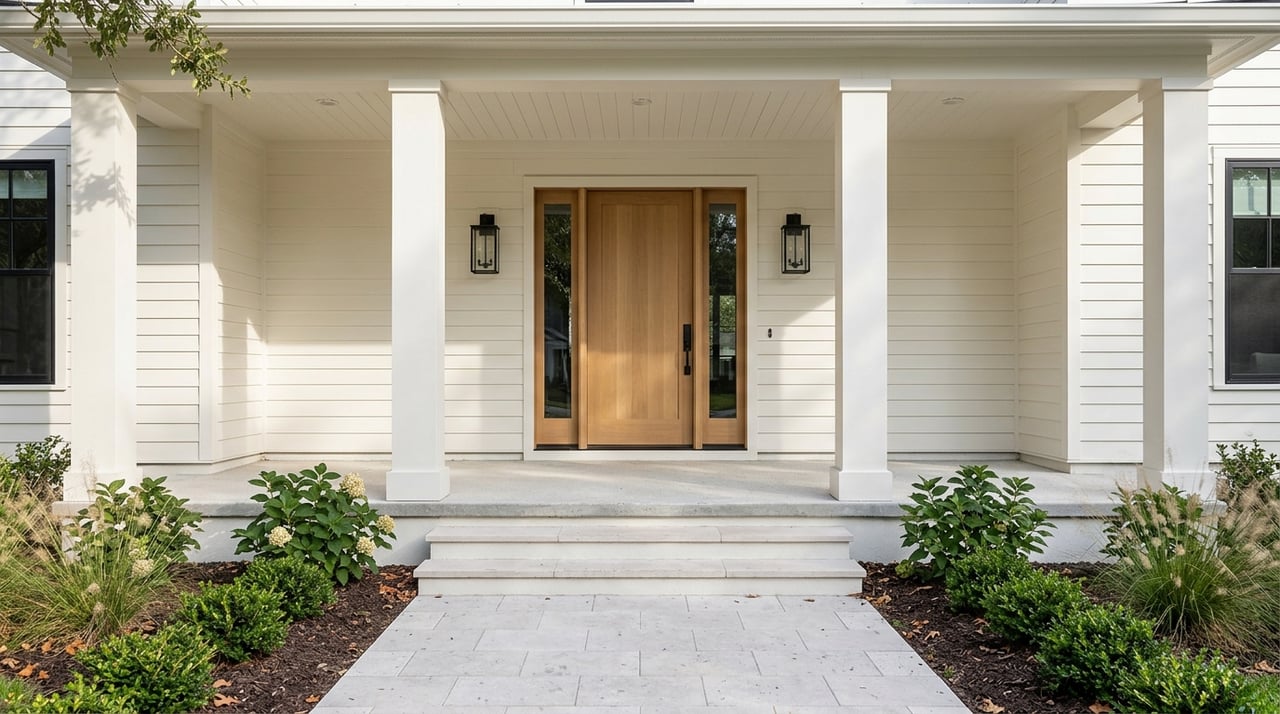
A coastal cottage does not need to be huge to feel elevated. In fact, a more compact massing often feels more natural in a beach-town setting than a bulky or overly formal exterior.
Think in terms of simple forms, welcoming porches, and rooms that flow well rather than square footage for its own sake. That approach helps your home feel relaxed, polished, and easy to live in.
Choose an Airy Color Palette
Light, quiet colors fit Cocoa Beach beautifully. Soft whites, sand tones, pale blue-gray, sea-glass green, and natural wood accents all reflect the bright coastal setting without feeling overdone.
This palette also supports the mood many buyers want in a beach home. It feels calm, open, and grounded in the landscape, which is especially important in a place shaped by water, sun, and weather.
Design Outdoor Spaces First
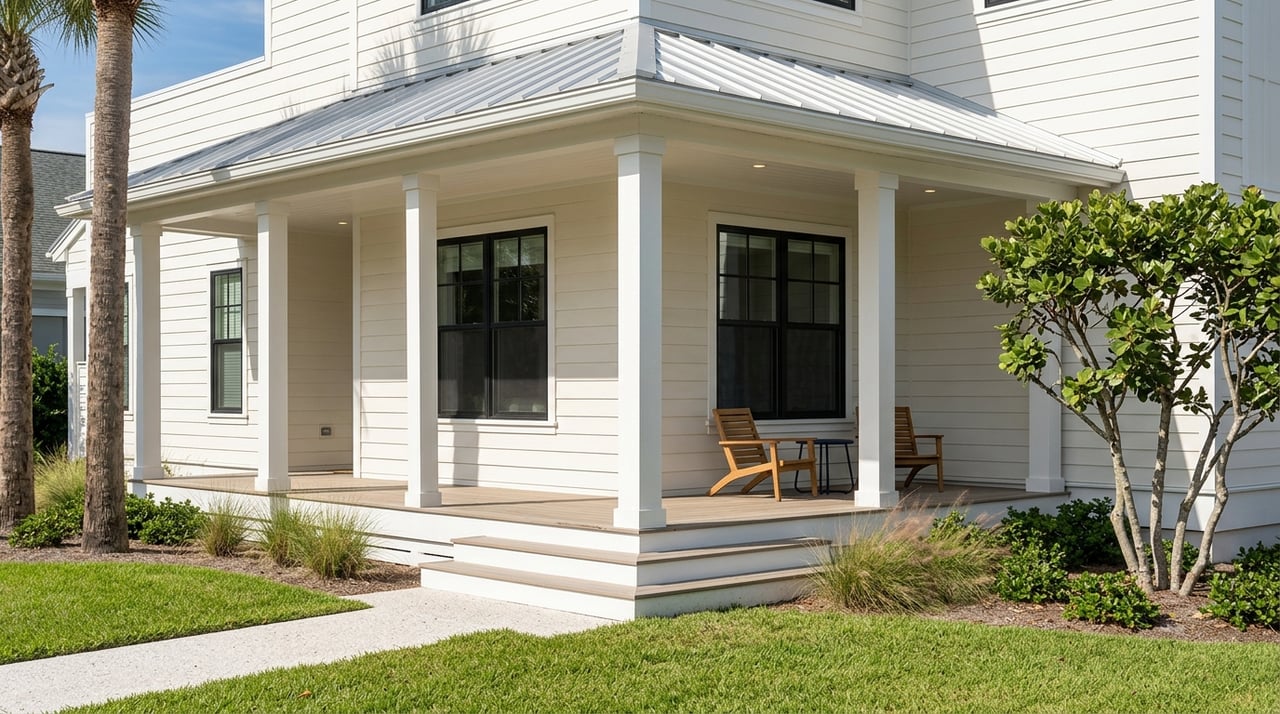
In a water-oriented town known for beach access, kayaking, boating, and outdoor recreation, your exterior living areas should never feel like an afterthought. Some of the best coastal cottage homes treat porches and covered outdoor rooms as part of the everyday floor plan.
When you plan these spaces early, the whole home tends to work better. You create more shade, better flow, and more places to gather without making the house feel oversized.
Prioritize Porches and Screened Rooms
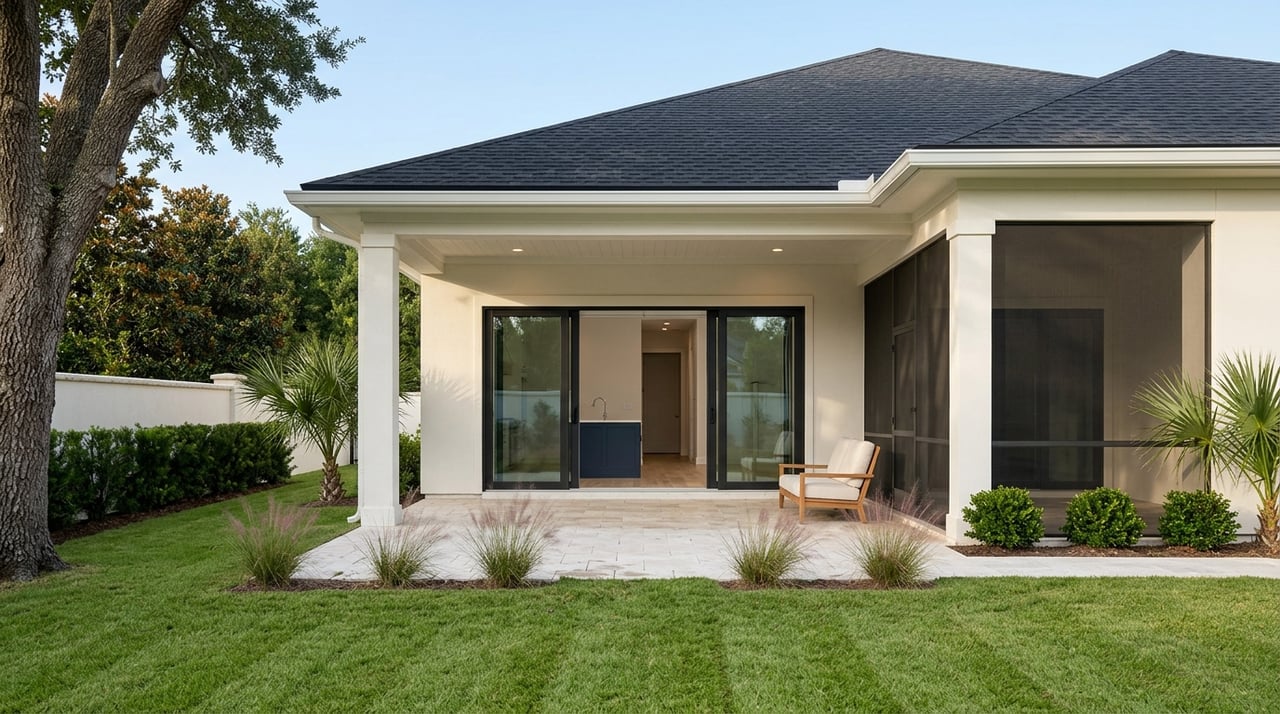
A front porch can give your home the classic cottage look, while a screened porch or covered lanai can add real function. These spaces make it easier to enjoy the outdoors while getting a break from direct sun, wind, or bugs.
In Paradise Cove, that kind of flexibility matters. Whether you live there full time or use the home as a second retreat, covered outdoor living helps the house feel more useful every day.
Create Easy Indoor-Outdoor Flow
One of the smartest design moves is to connect main living areas directly to outdoor seating or dining space. Large openings, practical transitions, and simple furniture layouts can make the home feel bigger without adding unnecessary complexity.
The result is a cottage that feels open and welcoming. It supports the kind of casual coastal living people actually want in Cocoa Beach.
Use Materials That Handle Coastal Conditions
A beach cottage should look relaxed, but it should never be delicate. Coastal homes face real wear from salt spray, humidity, wind, and blowing sand, so material choices matter just as much as style.
This is where thoughtful planning pays off. Durable details can protect the home, reduce maintenance, and preserve the clean look that makes cottage design appealing in the first place.
Pick Corrosion-Resistant Hardware
FEMA notes that salt spray and humidity can speed up corrosion in coastal buildings. It also recommends stainless steel or hot-dipped galvanized fasteners within 3,000 feet of an ocean shoreline.
For you, that means the hidden parts of the home deserve attention too. Connectors, fasteners, and exterior hardware should be chosen for coastal exposure, not just appearance.
Keep Rooflines Simple
A simple roofline often works best for a coastal cottage. It suits the style visually, and it also supports long-term performance in a place where wind and water exposure are recurring concerns.
FEMA guidance emphasizes the importance of roofs, windows, doors, and their connections in coastal construction. In practical terms, that means clean roof geometry, secure roof edges, and materials selected for weathering well over time.
Choose Storm-Ready Openings
Windows and shutters can do more than shape curb appeal. FEMA advises protecting openings with shutters or impact-resistant glass in wind-borne debris regions to reduce damage from wind, debris, and rain intrusion.
That makes classic-looking shutters a practical design feature when they are selected with protection in mind. The best coastal cottages blend charm and function instead of treating resilience like an add-on.
Make the Interior Feel Relaxed and Refined
Inside, coastal cottage design works best when it feels bright, simple, and comfortable. You do not need to fill every room with beach references to create a strong sense of place.
Instead, focus on natural light, clean trim details, and finishes that feel timeless. A restrained interior usually ages better and gives the home a more upscale feel.
Let Natural Light Lead
In a bright coastal setting, daylight should be one of your main design materials. Soft wall colors, light-toned flooring, and thoughtfully placed windows can help the home feel more open and connected to the outdoors.
This kind of simplicity also supports the Boswell Builders approach to coastal homes. When design and build decisions work together, the result feels intentional instead of overly styled.
Add Texture, Not Clutter
Texture does a lot of work in a cottage interior. Natural wood accents, woven elements, painted millwork, and calm stone surfaces can create warmth without making the space feel busy.
That balance matters if you want the home to feel elegant but easy. In coastal design, less often looks better because it leaves room for light, views, and everyday living.
Plan Flexible Guest Space
In a beach town with a vacation-friendly atmosphere, guest planning is worth getting right. You may want space for visiting family or friends, but you do not want the home to feel oversized the rest of the year.
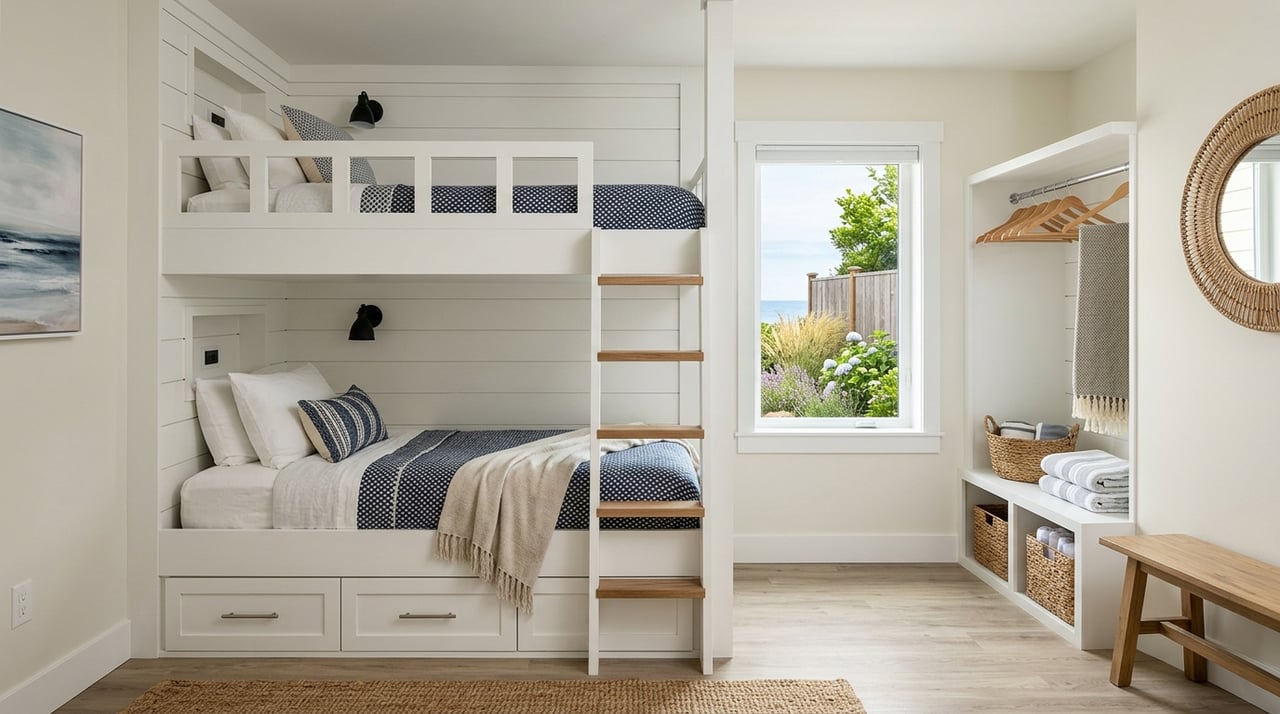
The answer is usually flexibility. A guest suite, bunk room, or multipurpose flex room can absorb visitors while still serving your day-to-day needs.
Think About How You Host
Before you lock in a layout, think about who will actually use the home. If you host couples, a quiet guest suite may make the most sense. If you expect kids or larger groups, a bunk room or secondary lounge could be more useful.
This kind of planning helps the house live better over time. It also keeps the cottage feel intact by avoiding rooms that sit empty most of the year.
Use Landscaping to Support the Look
A convincing coastal cottage does not stop at the front door. The landscape should help the home feel settled into its setting while also handling the realities of a shoreline environment.
UF/IFAS says coastal sites need extra planning for winds, salt, and sandy high-pH soils. That makes plant selection and outdoor layout more important than many buyers expect.
Choose Salt-Tolerant Plants
UF/IFAS recommends salt-tolerant plants for coastal properties, especially within one-eighth of a mile of the coast. It also points to native plants already adapted to coastal conditions as strong options.
For a Paradise Cove home, plants such as sea oats, wax myrtle, and bougainvillea can reinforce the cottage look without feeling too formal. They help the property feel local, practical, and visually soft.
Build Shelter With Layers
UF/IFAS also recommends wind screens made from fences, sturdy shrubs, or grouped trees to help protect plantings from high winds. That advice supports a broader design idea that works especially well with cottage homes.
Layered landscapes make a house feel sheltered and established. They can soften the lot, create privacy in a natural way, and strengthen the inviting character that defines coastal cottage design.
Stay Aware of Flood-Conscious Planning
A coastal home should always be planned with site conditions in mind. Flood risk is not something to guess based on a neighborhood name or a general impression of the area.
A more practical approach is to review the property carefully and make flood-aware decisions early. Coastal homes often benefit from elevated or otherwise flood-conscious planning, and flood risk can change over time due to weather patterns, development, and erosion.
Check the Property, Not Assumptions
If you are evaluating a home site or home design, one of the first steps is understanding the property-specific flood context. Insurance requirements can vary, and homes in a Special Flood Hazard Area with a government-backed mortgage are generally required to carry flood insurance.
That does not mean every property should be treated the same. It means your design choices should respond to the actual site rather than broad assumptions.
Why Cottage Design Works in Paradise Cove
Paradise Cove sits in a setting where cottage-style ideas make sense visually and practically. In Cocoa Beach, beach access, boating, kayaking, and everyday outdoor living all support homes that feel breezy, shaded, and easy to maintain.
The strongest cottage designs in this setting are the ones that balance charm with resilience. When you combine calm colors, porch-centered planning, flexible interiors, and durable coastal materials, you get a home that feels true to place and built for real life.
If you are exploring a coastal home in Paradise Cove, thoughtful design can make all the difference. The right plan does more than look beautiful in photos. It helps your home live well, age well, and feel right for the way you want to spend time on the coast.
If you are ready to talk through a coastal home vision with a team that understands design, buildability, and the realities of Florida waterfront living, connect with Boswell Builders.
FAQs
What colors work best for a Paradise Cove coastal cottage home?
- Soft whites, sand tones, pale blue-gray, sea-glass green, and natural wood accents fit the bright Cocoa Beach setting and help create a calm, airy look.
Are porches and screened rooms practical for Cocoa Beach homes?
- Yes. In a beach-oriented area like Cocoa Beach, porches, screened rooms, and covered lanais add useful everyday living space while helping with shade, comfort, and indoor-outdoor flow.
What exterior materials matter most near the Cocoa Beach shoreline?
- Corrosion-resistant hardware, durable connectors, storm-ready windows or shutters, and simple rooflines are especially important because salt spray, humidity, wind, and rain can wear down coastal homes faster.
How should guest space be planned in a coastal cottage home?
- Flexible rooms usually work best, such as a guest suite, bunk room, or flex space that supports visiting family and friends without making the home feel larger than it needs to be.
What should you check first when planning a Paradise Cove coastal home?
- Start with property-specific conditions such as flood context, insurance needs, and material durability so the design responds to the actual site instead of general assumptions about the area.